Growing up as a Caucasian woman in America I’ve experienced many cultures, most of which are not my own. I have most of these cultural experiences through the indulgence of food. The beauty of living in a nation with no dominant culture is that these experiences are plentiful. Yet there is a habit in the states of making other cultures our own. Americanization of foods has become inevitable and is just a part of life. There are downsides in altering traditional cuisine to fit the American palate, but there are also hidden beauties to Americanization. The fact that I, a white teenage girl from California, has had the opportunity to taste even a little part of another culture is an incredible gift. The adaptation of language, music and food is what makes up America as a whole. It is important that our society realizes this alteration and acknowledges the good and bad outcomes that accompany it.
Originating from Taiwan, the drink came to the states in the early ‘90s. According to the online website, Explore Food and Wine, it became a hit largely because of “the growing popularity in café culture due to places like Starbucks”. Once the knowledge of boba grew in the states, then came the inevitable alterations to suit the American palate.
Before moving to Orange I had tried many places that serve boba drinks, I was somewhat of a boba connoisseur according to my friends and family. After my move I was searching for a new place where I could get my boba fix. When I visited BobaTeaque in Orange for the first time I experienced boba once more, but in a different way. I found the menu limited, expecting to see the array of flavors and textures I had become accustomed to. I ordered a jasmine milk tea, medium sweet, with boba. The texture of the tapioca pearls seems strange, but the tea was inarguably smooth. The sweet and cooling drink filled my mouth and seeped into my taste buds. I was in love. Smooth jazz music played in the background, creating a soothing atmosphere to study or chat with friends. I could stay there all day.
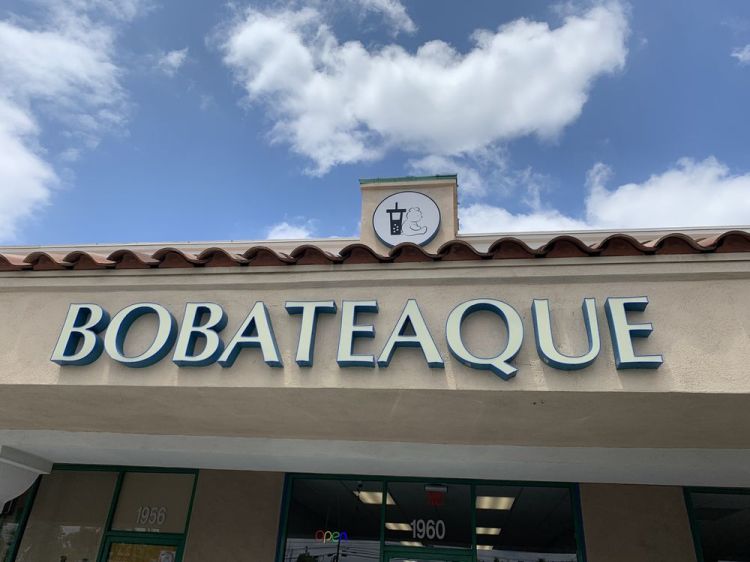
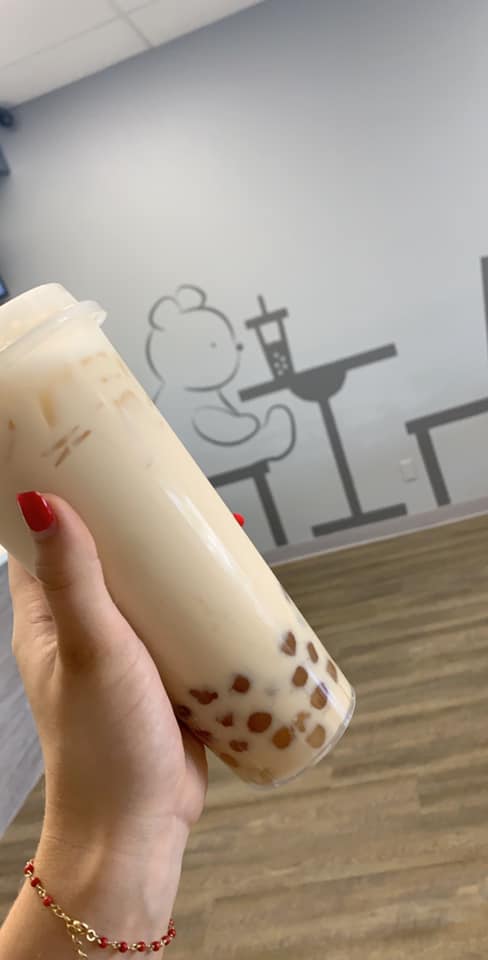
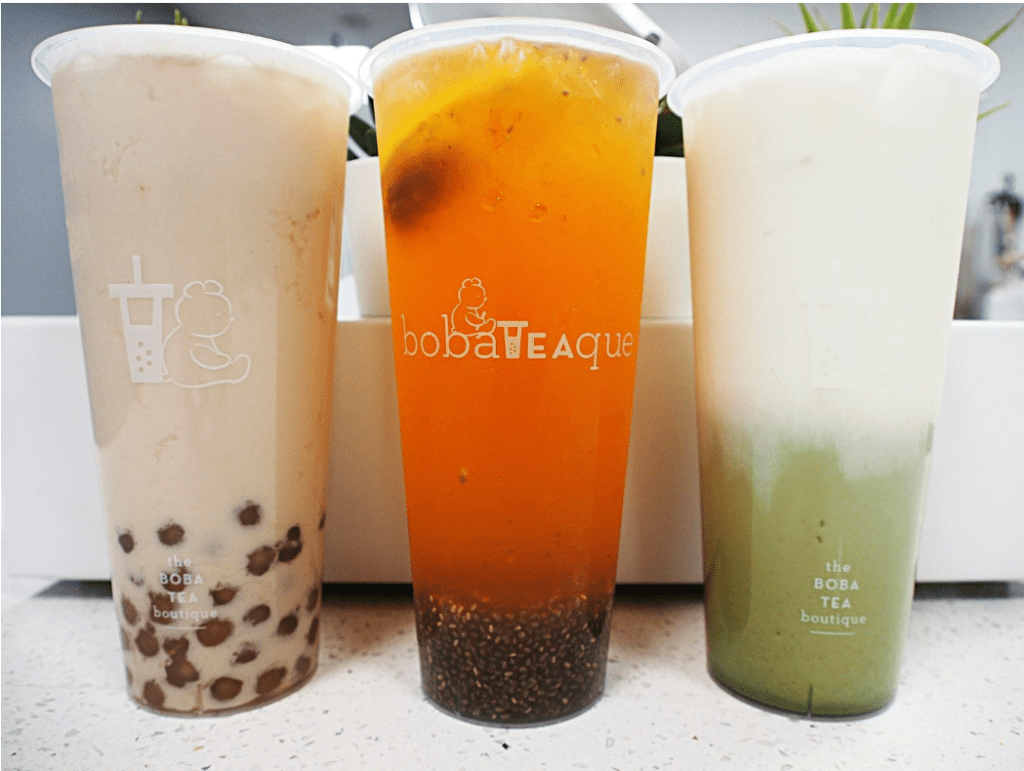
Despite the limiting menu and strange boba pearls I came back for another visit, this time with my friend. We were greeted by the same cheery man who stood behind the counter last time, and he recognized me as a returning customer. After some light banter and introductions I came to know this man as Harris, the Taiwanese-American owner of a traditional Taiwanese tea shop. He told me that they pride themselves on staying true to boba’s cultural roots, and that’s why their menu is small and boba tastes different. I came to realize that so many flavors which I see everywhere in the states would never be found in Taiwan. Harris referred to these establishments as Americanized boba shops. When I asked if he considered this alteration a matter of cultural appropriation he said “Not at all”. He sees no problem in building off of a traditional meal or beverage to create something new, the problem stems from false claims of being traditional.
Harris mentioned an establishment called Ding Tea, which I had visited only days beforehand. He says that businesses like that, which claim to be traditional yet their menu says otherwise, gives people a skewed understanding of the original drink actually is.
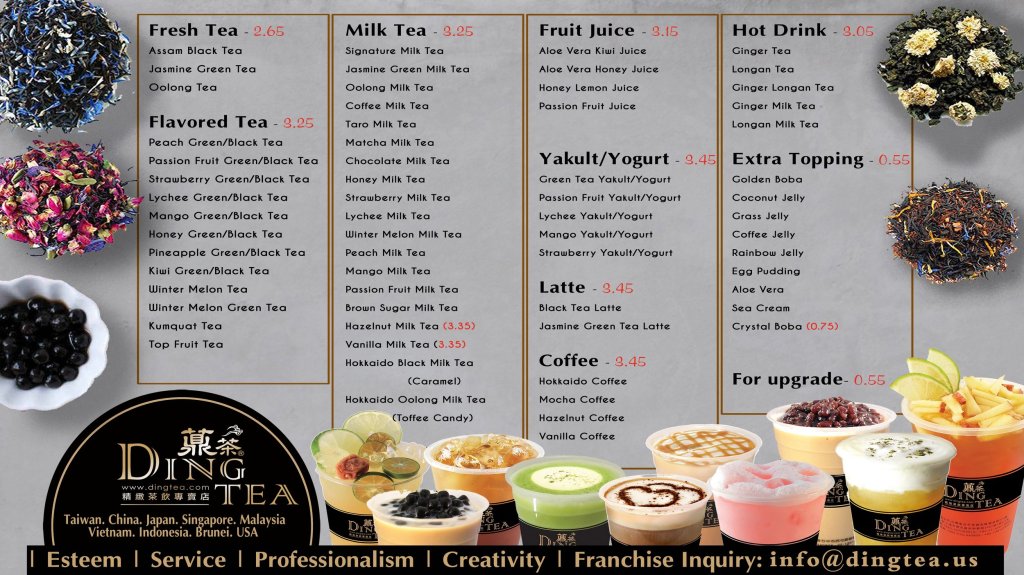
Ding Tea isn’t a traditional Taiwanese tea shop, and therefore their false advertisement is a form of cultural appropriation. Americanization is inevitable, false advertisement shouldn’t be.
True traditional teamakers like Harris would expect a fellow boba maker to be honest about their products. A popular chain called Boba Guys pride themselves as being a hybrid of cultures- never claiming to be traditional. On their company’s website they stated, ” For the record, we never claimed to be traditional milk tea. Plenty of people do it extremely well. However, we are authentic. We are true to ourselves as Asians and Americans. We try to bridge cultures by making boba and tea more accessible.” This is the beauty of Americanization, creating more opportunities for cultural experiences.
Americanization is apart of life in the states, it is what created our nation. The alteration of food, dancing, language, music and people is what turned the U.S. into what it is. It is important to recognize this trend, and to understand the differences in what America perceives as normal compared to the culture we’re experiencing. Businesses must play their part in maintaining an honest depiction of their products to avoid cultural appropriation. Yet we must also appreciate the wonderful fact that me, a teenage American girl, is able to experience and enjoy another culture.
 emilypalmstays.travel.blog