Featured

Story Time

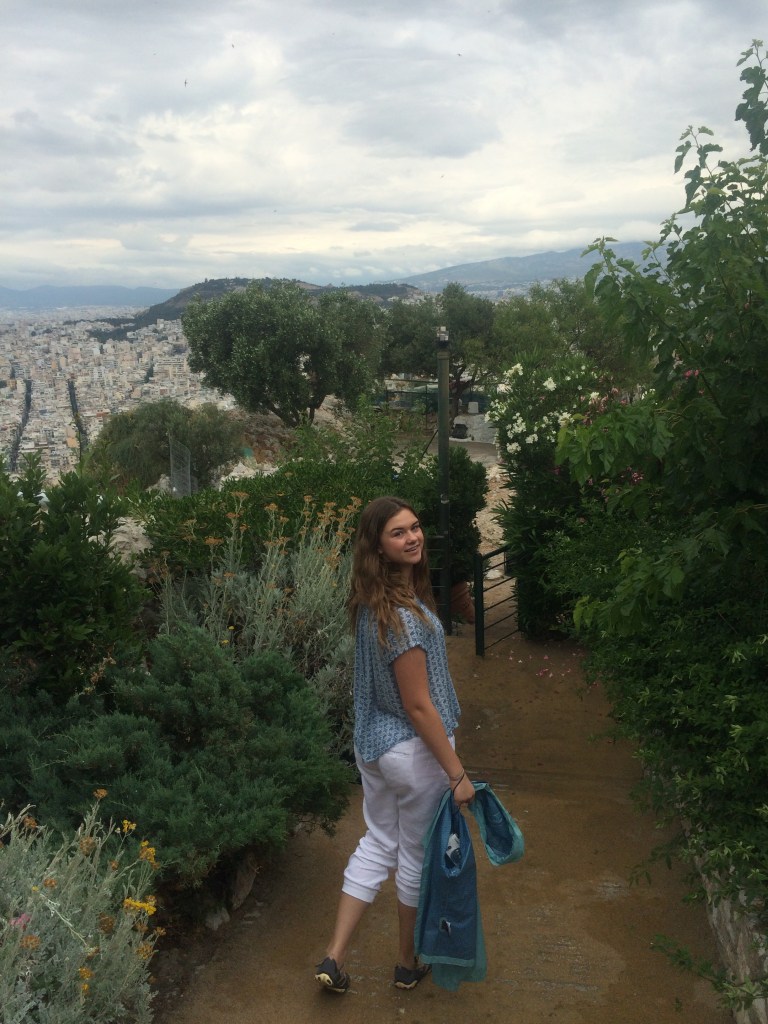
As the common saying goes, “a picture is worth 1,000 words”. Although without the rhetoric and confirmation of the written word, a picture can present something completely different. In today’s multimodal society, one must consider the consequences or misinterpretations which a single picture can cause. Here are some of my pictures and their stories. Some could be controversial, others are just about travel.

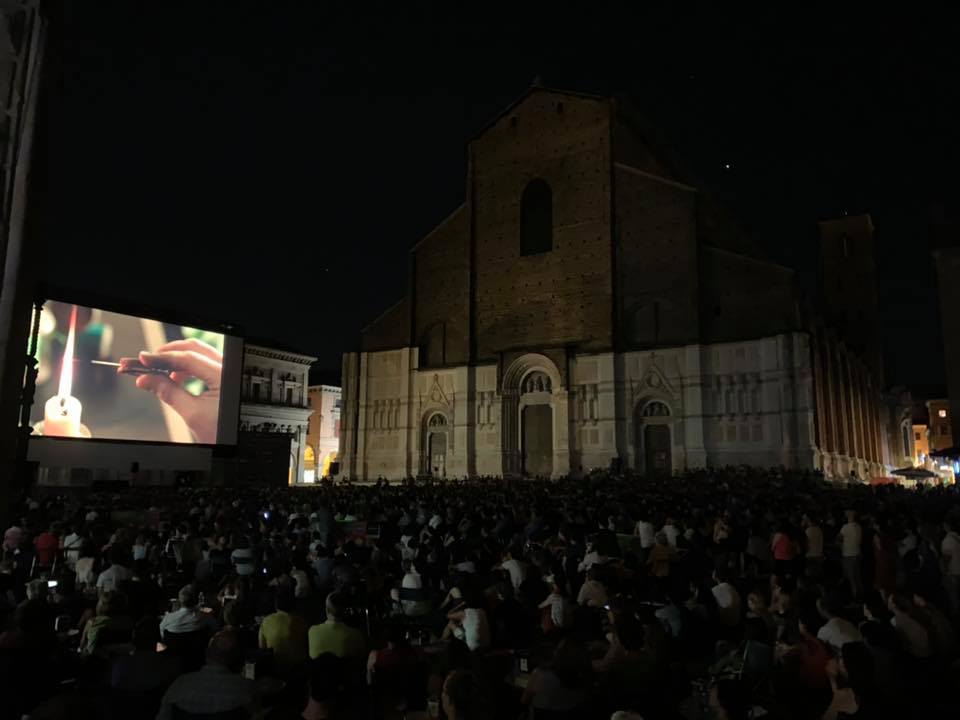
In the summer of 2019 my dad and I traveled around Europe together. When we were in Bologna, Italy the Outdoor Cinema Festival was going on. The movie was interesting, I never did find out the name, but it is irrelevant anyway. The entire event intrigued me so much because it was so different from anything you would see in the states. Locals of all ages came out, sat in a overly crowded square on a humid summer night and watched the movie together. It was so incredibly civilized, uniquely calm and extremely quiet.
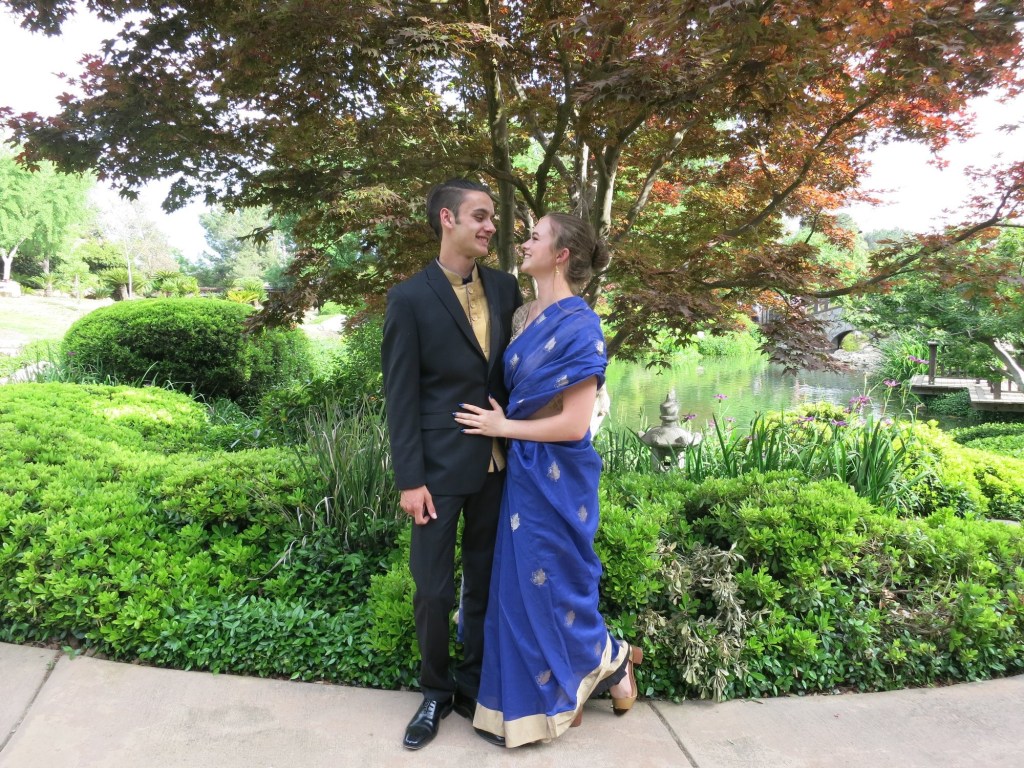
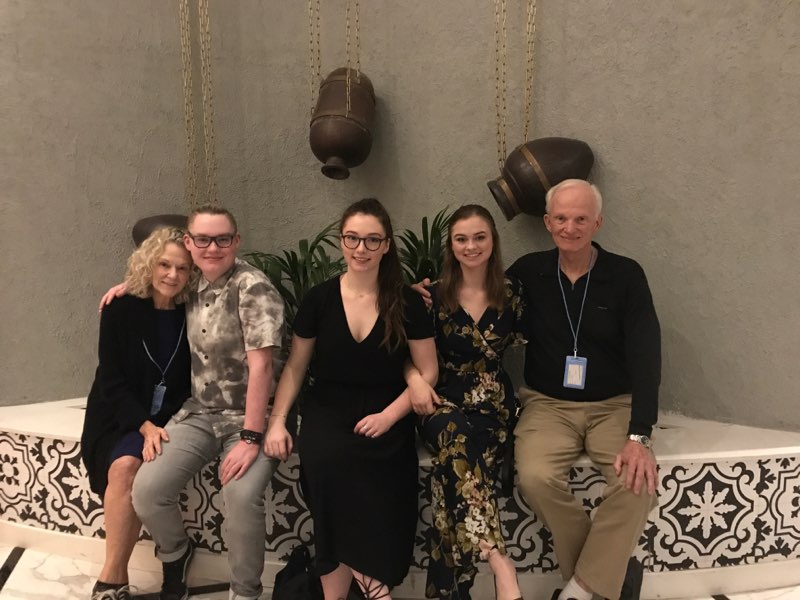
In this picture you can see me, a Caucasian woman, standing with my also Caucasian boyfriend. We were smiling and posing for prom pictures as we both wore traditional Indian clothing- a vest for him and a sari for me. Months before prom I traveled to India on an educational trip with the Field Museum and learned a great deal about textiles and Indian fashion. I wanted so badly to buy a sari of my own, and to get the chance to wear it at home but I was afraid. I was afraid that people would think I was a niaeve white girl appropriating another culture. Along the way I asked multiple English-speaking locals about my idea to wear a traditional sari to prom. The overall concensis was that it would be an honor for me to commemorate such a memorable night of my youth to their culture and to my trip. My open-minded boyfriend agreed, and we went to prom dressed exactly like we were in this picture. Just a week before our dance a white American girl became a social controversy by wearing a traditional Chinese dress to her prom. My fear returned, but I was reassured by my friends and family that I had the respect and love for Indian culture to wear what I wanted. The reaction was a mix of shock and awe at the beauty of the textile I wore around my body. Most people knew about my trip and weren’t too surprised by my choice of dress, but even those who didn’t know me at all took notice and loved it. I got to see that I can show my appreciation for another culture while I was abroad and at home, because I had the knowledge and a conscious mind to do so.

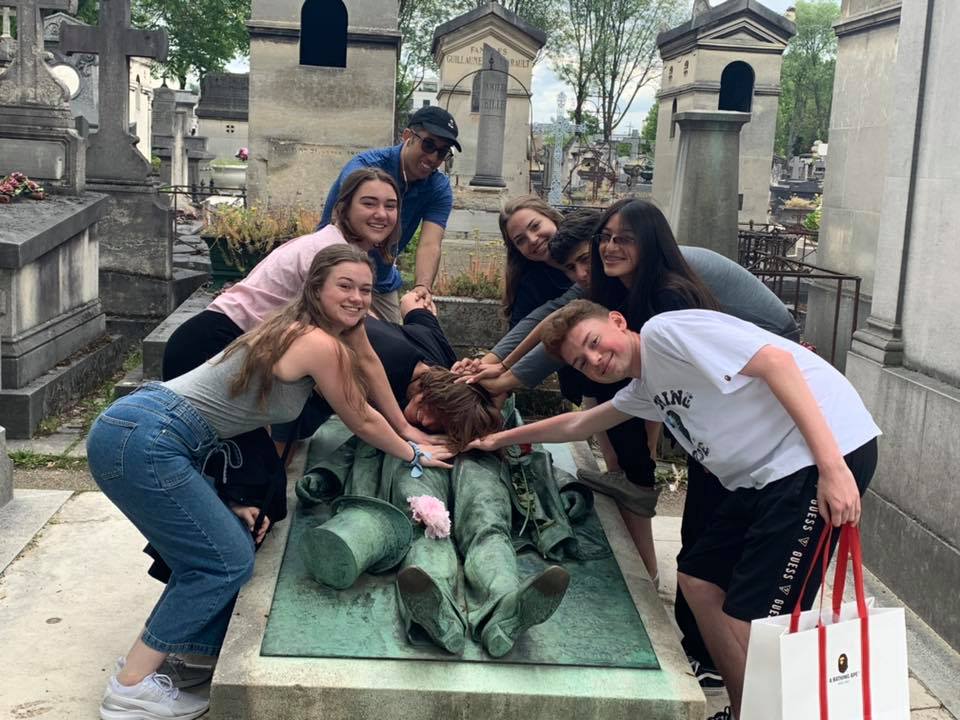
This picture is of my friends and I touching(and smelling) the genital area of a Victor Nior’s grave in the Père Lachaise Cemetery. We walked around for what felt like hours trying to find his tomb with the soul purpose of touching his genitals. In life he was a womanizer, a playboy and a sex symbol. After his death he became a monument, according to legend brought to you by Wikipedia, “Myth says that placing a flower in the upturned top hat after kissing the statue on the lips and rubbing its genital area will enhance fertility, bring a blissful sex life, or, in some versions, a husband within the year.” We decided it was something unique that most people who travel to Paris don’t partake in, and it was a must for the group. My friend Julian smelled his crouch (he has a strange obsession with smelling things and experiencing all of his senses), and we touched it for good measure.
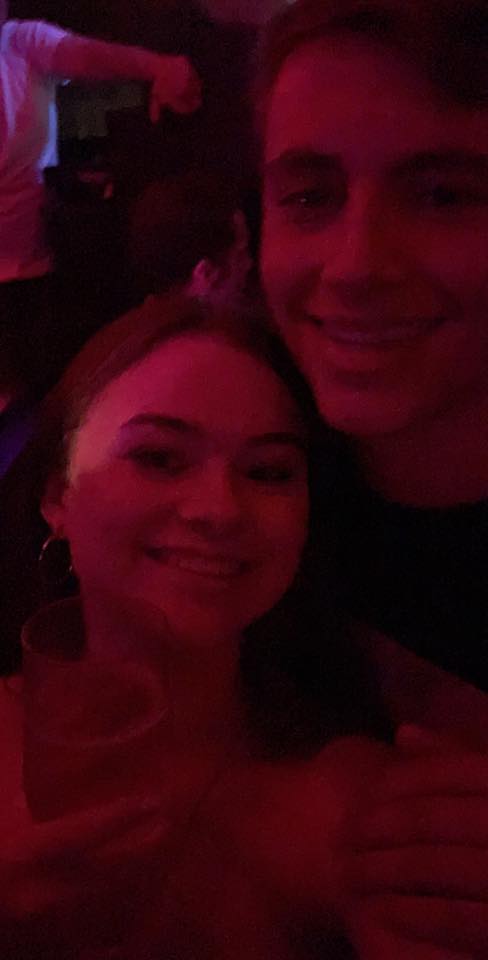
When I was in London with my friends we went to a nightclub called Club 49. We wanted to experience the clubbing scene since the legal drinking age in London is 18. We got into the club, got our drinks and headed for the dance floor. After making eye contact with the young man pictured above, I called him and his friends over to us. I learned that his name is Thomas, he is from Belgium and that him and his friends were in London for study abroad. We all talked, danced and exchanged information. I had a slight romance since we kissed on the dancefloor (scandalous I know), but the most memorable part was talking to his group about their time in London. I got to meet and have fun with foreigners that were my age, and it made for a good story.

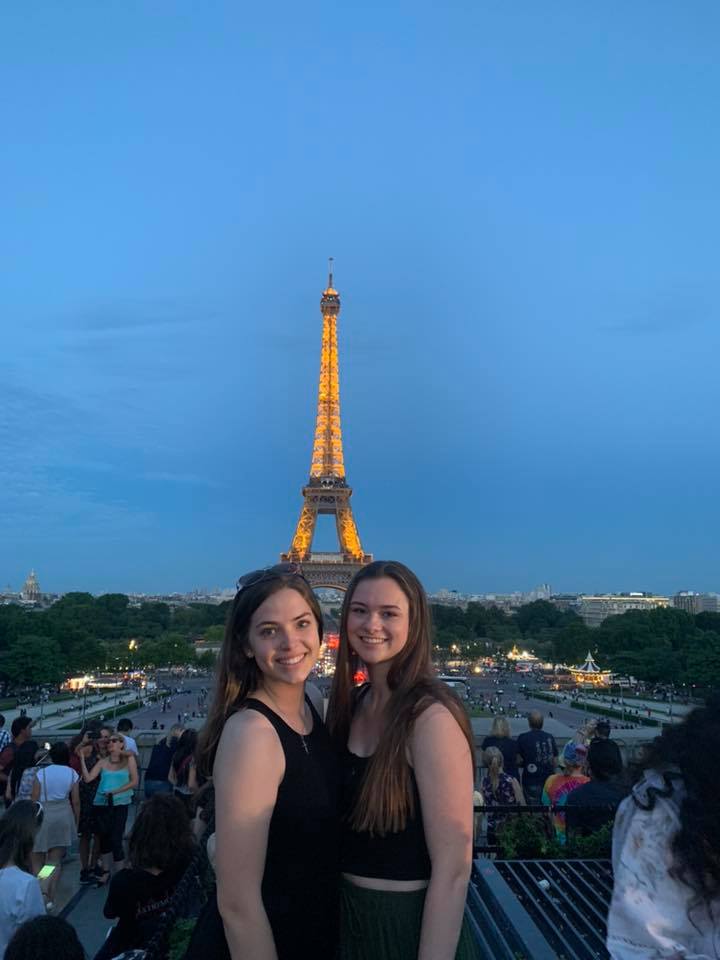
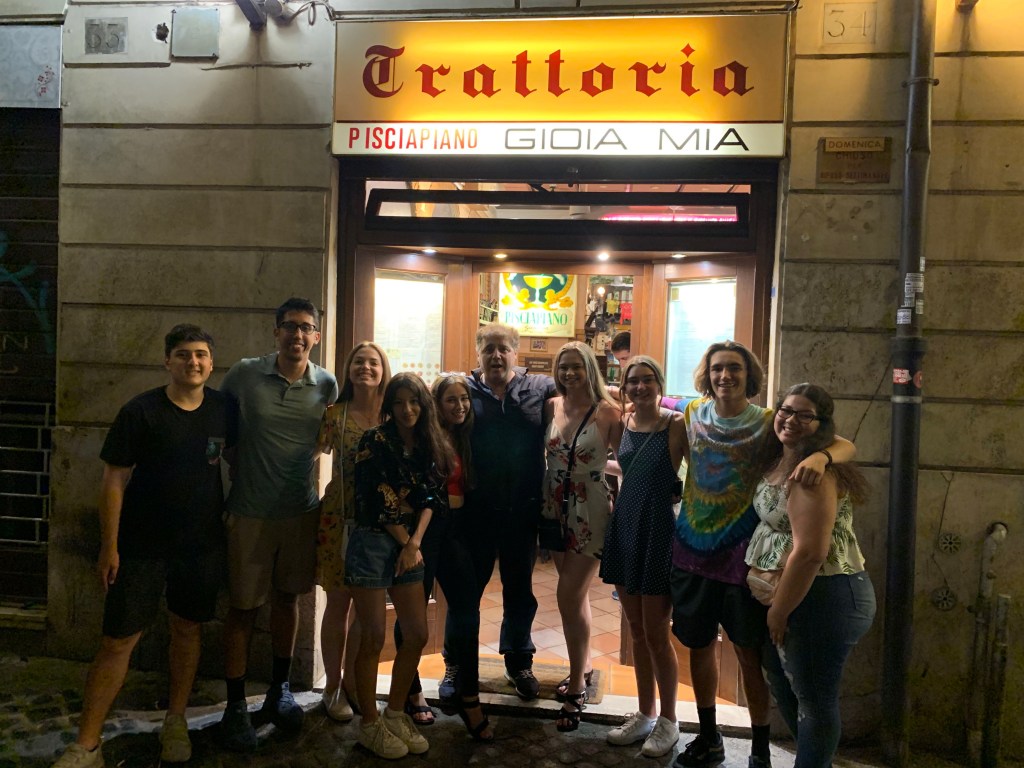
The girl on the left is my best friend Joelle. The summer after our senior year of high school we were able to save enough money to go to Europe with a group from our class. I am fortunate to have traveled before, but Joelle never had the opportunity to set foot abroad. Leading up to the trip our excitement grew, it is everyone’s dream to travel with their best friend. I became what I would like to call her travel guru, and a symbol of reassurance to her parents that a young woman can survive abroad. Every picture we took was so incredibly rewarding, to show that we were there with each other. Despite my prior travels, this trip was something extra special- because I got to spend it with my best friend.
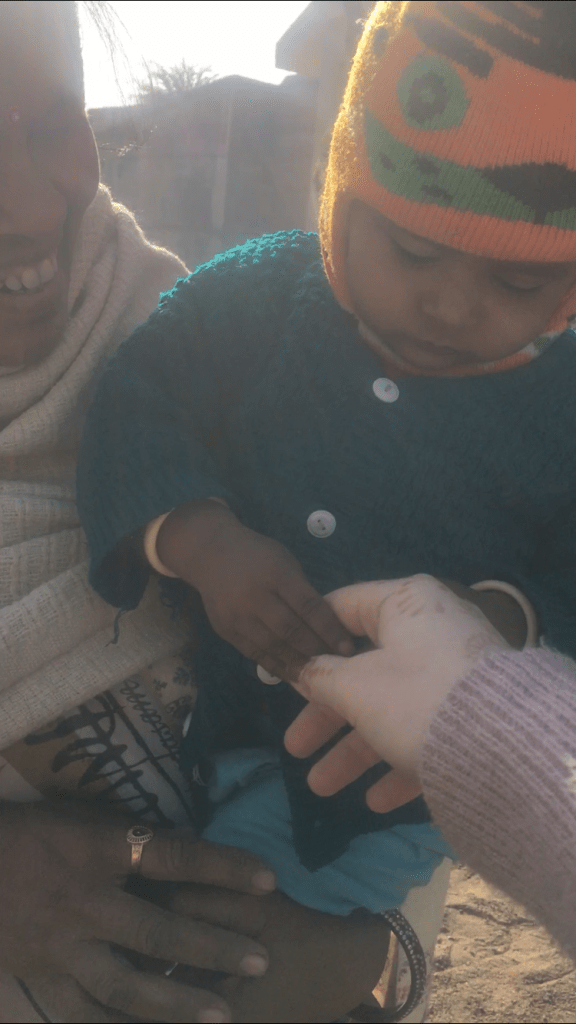
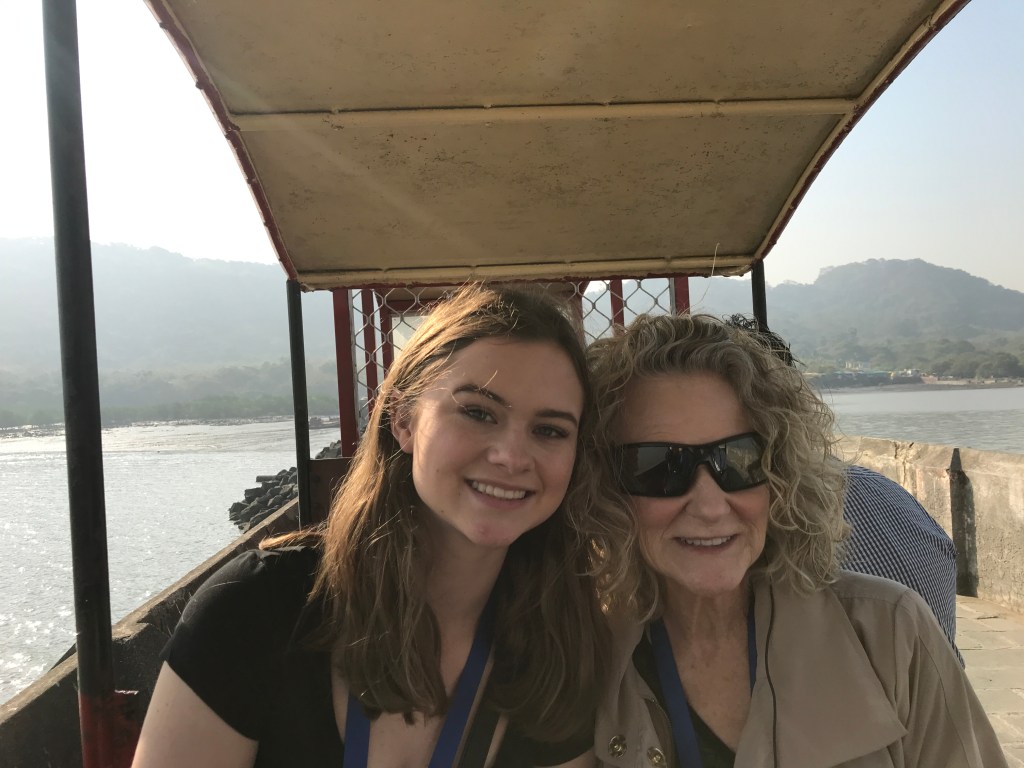
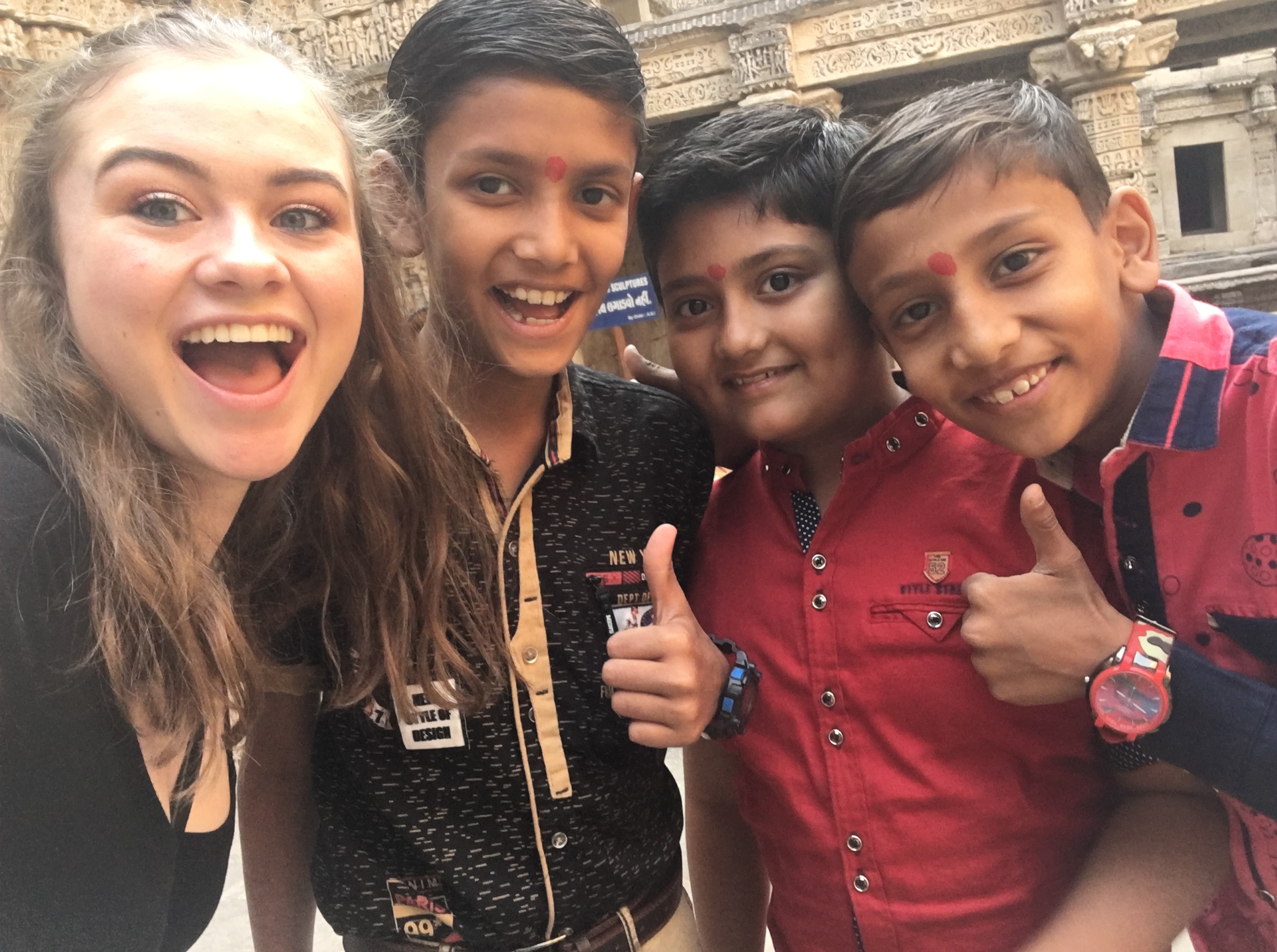
This picture was one of my favorites from my trip to India, but as I’ve grown more aware I have come to realize the possible assumptions which could stem from a picture such as this. Here is what happened… While I was outside of Ahmedabad in a small village multiple people approached me to stare at my white skin and look into my blue eyes. Everyone who approached me was incredibly lovely and respectful of my space. This woman in particular walked towards us, and was smiling as she grabbed her baby’s hand to wave at us. When we walked towards her the baby reached out and she motioned for us to take pictures. I loved this picture because I love babies, and the woman’s smile filled my heart with joy. I never would have considered how this might look, that I was presenting myself as this white savior. For me, this picture was about how sweet this woman was(and my love for babies), but it is important to realize what story a picture might tell.
Featured

Original So Here I Am…

So here I am…

… sitting in the middle of a crowded café in Paris, riding the subway in Amsterdam, or being followed by children in India…

I began traveling when I was quite young. My mom would hop on plane after plane, taking my special needs sister to the best doctors in the nation, and I was their loyal “travel buddy”. It is less than surprising that traveling with a special needs child is difficult, but those early days of discomfort made me more open to difficult situations and new people.

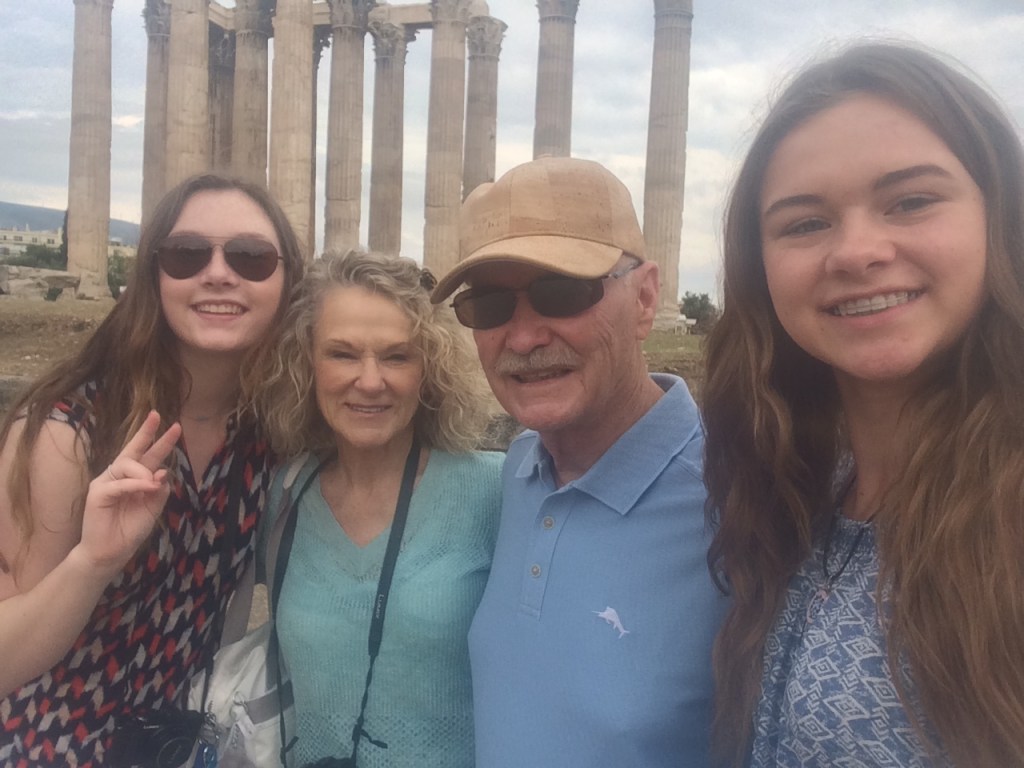
Travel for me has never been about the Instagram-perfect pictures (yet I’ve become quite skilled in the art of the perfect snap), it’s been about the experiences I’ve taken home. I’m incredibly bless to have been given the opportunity of seeing the world from multiple perspectives. I’ve traveled with my grandparents, who provided an incredibly mature and respectful approach to learning about a different culture; I’ve spent a month traveling with a museum group, and received an amazingly well rounded education through their leadership; I’ve traveled with my friends, where I felt like the parent trying to corral her children onto the plane or off of the bus. I think international travel helps widen the perspective of all walks of life- if you do it with an open mind.

Although, I suppose I never really viewed staying in your local town as travel. In many ways I have allowed myself to believe that not everyone can be a traveler- but they truly can. Travel is anywhere outside of one’s “comfort bubble”- the shell which we use to protect ourselves daily- a routine. But true knowledge is gained from stepping outside of that bubble and into the fresh air of a different environment.

I wanted to take this class to express my gratitude for where I’ve been and where I’m going. But also to understand the different types of travel for different demographics- a college backpacker and the Kardashians aren’t necessarily going to have the same cultural experiences. It is amazing to me how money can shield people from so many things, including the raw and authentic welcome from people in a different environment, and I want to write on this topic further.

I’m excited to continue my travel career, but also to expand my ideals of what travel actually is.

So here I am, sitting in my dorm, dreaming about where I’m going to go next.

Final Words

From the moment I could write coherent sentences I considered myself a writer. I would write in my journal-write about my day at school with the mean girls, write about my parents fighting, write about my neighborhood crush, write about the sadness I felt while moving. I wrote it all. I suppose that in many ways I was a writer in my own right, and from being in this course I’ve learned that anyone can be a writer. Everyone has something valuable to say, something new to bring to the table, which is something I never considered before.

Over the past four months I’ve learned a lot about myself, as a writer and as a person. I was able to see that my words have the ability to entice emotion, support change and express my beliefs. Before. my writing was souly a personal outlet, but now it feels like something greater.

I want to continue my blog because I found such joy in telling the world(even if only three or four people heard) my views. I fell in love with the multimodal platform that a blog permits, and I’ve realized that good writing goes so much beyond just the written word.

My largest struggle in this class felt like my race. In no way shape or form do I find myself to be a victim or wish to be sympathized for being white, but I oftentimes felt afraid to speak my mind about certain subjects because of my ethnicity. This fear was never from the class itself, but due to the subjects we discuss, I was worried of saying too much. I was afraid because I didn’t want to step out of bounds, or to cause offense to someone who has greater understanding of a subject than I did. I overcame this by listening and learning. I listened to the voices of others who personally experienced the subject, and I learned from Savy but also the rest of the class how to approach a sensitive topic. It was from listening, reading and researching that I learned so much about the world, and I feel like this knowledge has helped me become a better person.

I feel like my view of the world has changed. I suppose that’s what college is for right? I’m grateful that my family taught me so much about other cultures, but I still wish that I would have had the opportunity to take a course like this sooner. I think that the average American has forgotten the real beauty in travel and that’s to expand your horizons. I always liked the phrase “we live in a bubble”, and I feel like travel helps burst this bubble of comfort which shields us from truly living. I suppose this class taught me that the bubbles can still exist even when someone travels, and that it’s up to us as the consumers, travelers and human beings to look beyond that.

This course opened my eyes to the wrongs in the travel industry. The misrepresentation of culture is seen in virtually every advertisement by any business because people oftentimes only want to see the fun tourist activities. My family always made it a challenge to visit somewhere not on the typical route while we’re out of town, because we crave the authentic experience of foreign life. But not many people even understand what “authentic” really is. In some places it doesn’t exist anymore.

My concept of travel has changed in many ways, as my consideration for others has increased. But my overall goal of travel hasn’t changed- which is to open my mind to new cultures and new people. I am excited to continue writing, in my journal and on the blog. I am incredibly blessed to have the travel opportunities I’ve had, and I feel blessed to have taken this class.  

So Here I Am…

So here I am…

… sitting in the middle of a crowded café in Paris, riding the subway in Amsterdam, or being followed by children in India…

I began traveling when I was quite young. My mom would hop on plane after plane, taking my special needs sister to the best doctors in the nation, and I was their loyal “travel buddy”. It is less than surprising that traveling with a special needs child is difficult, but those early days of discomfort made me more open to difficult situations and new people.

Travel for me has never been about the Instagram-perfect pictures (yet I’ve become quite skilled in the art of the perfect snap), it’s been about the experiences I’ve taken home. The moments I’ve found to be the most eye opening are those spent with locals.

With every trip I have a memorable moment with a local. Through travel I learned that if you present yourself with respect and kindness, people will often return tenfold.

I’m incredibly blessed to have been given the opportunity of seeing the world from multiple perspectives. I’ve traveled with my grandparents, who provided an incredibly mature and respectful approach to learning about a different culture; I spent a month traveling with a museum group, and received an amazingly well rounded education through their leadership; I’ve traveled with my friends, where I felt like the parent trying to corral her children onto the plane or off of the bus. I think international travel helps widen the perspective of all walks of life- if you do it with an open mind.

Although, I suppose I never really viewed staying in your local town as travel. In many ways I have allowed myself to believe that not everyone can be a traveler- but they truly can. Travel is anywhere outside of one’s “comfort bubble”- the shell which we use to protect ourselves daily- a routine. True knowledge is gained from stepping outside of that bubble and into the fresh air of a different environment.

I don’t claim to be perfect, my bubbles do exist. Oftentimes I’ll find myself wanting to revert back into my comfort zone, whether it be by attending my usual restaurant or isolating myself from new friends, I have a constant internal battle to get myself out there. Expanding your horizons isn’t meant to be easy. Travel is meant to be challenging, but the reward is never-ending.

I wanted to take this class to express my gratitude for where I’ve been and where I’m going. I think my travels to come will be forever enriched by this class.

So here I am, sitting in my dorm, dreaming about where I’m going to go next.

Multimodality

Coming from an experienced traveler, I would hope my airline had flown to various destinations, over the years acquiring vast experiences with all walks of life. In United’s safety video, the compant attempts to express these very values. Although are their efforts misplaced? Their stereotypical views of culture create an orientalist view on the destinations they’re representing, and therefore adds to cultural misrepresentation. We must inspect why this video was such a success, and what it says about society to relish in such depicts.

Through the use of multimodality, “images, sounds, document design, and graphics”, United is able to present travel as being enjoyable and fast-paced. Their four minute and fifteen second video skips from clip to clip emphasizing the fact that travel is constantly happening. The audio inclusion of multi-cultural music provides a change in pace with every destination, therefore keeping the audience alert and entertained with new noise, versus a constant song playing subtly in the background.

In attempts to reach all walks of life and all ages- United presents their travels as fun and energetic. This party-centered travel is demonstrated through the live music, dancing and smiles portrayed in the opening scene. This high energy is matched through the rapid change in scenery, new destinations and different speakers throughout the video.

It becomes apparent that United intends to present their company as multi-cultural, which is shown through their multiple speakers throughout the video.

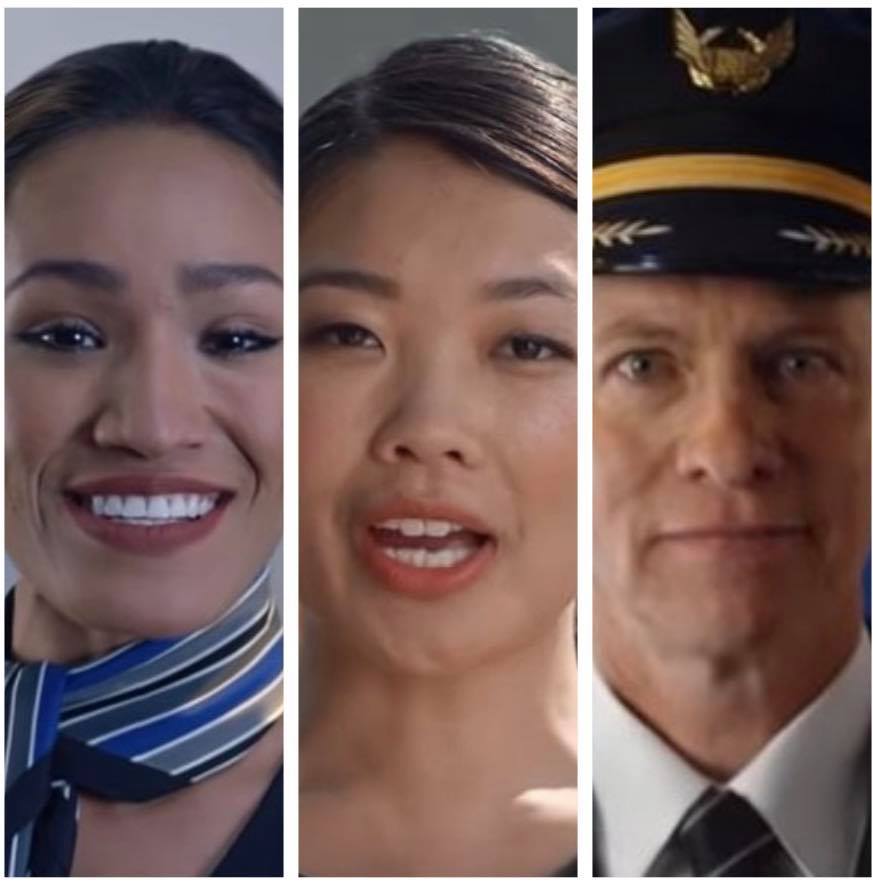
From African, to Caucasian, to Asian- United has a diverse team. The video targets the attention of Spanish speakers by highlighting their multi-linguistic employees when a co-worker replies “De nada” in response to “thank you”. This inclusion aims to ease non-English speaking travelers that they are in good hands.

United wants to demonstrate that families are in good hands as well. The illusions to family are demonstrated outright in the video, by the woman with a stroller in NYC, but also in the company’s team.

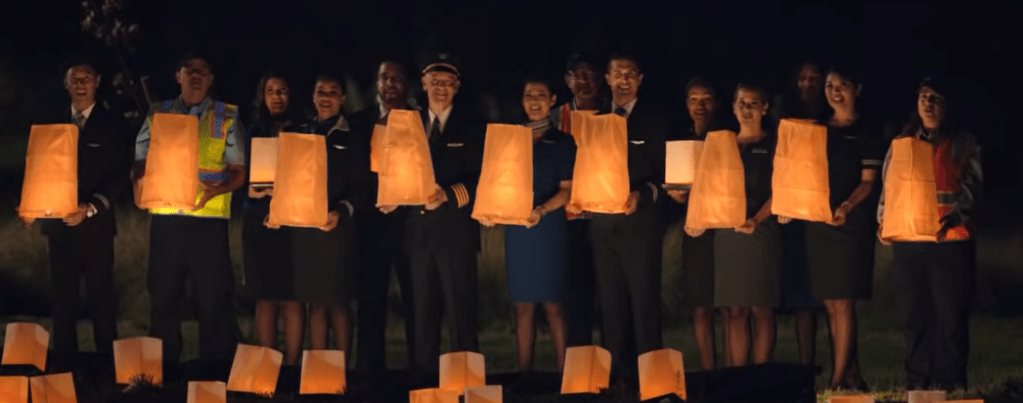
The final scene shows all sectors of the United company letting go of their lanterns together. This segment was touching because it showed the manual laborers of the airline united with the pilots and flight attendants, demonstrating a well connected team. One viewer picked up on the fact that the CEO of United was also included in the video.

This provides United travelers an “all hands are on deck” feeling as they are preparing for take-off.

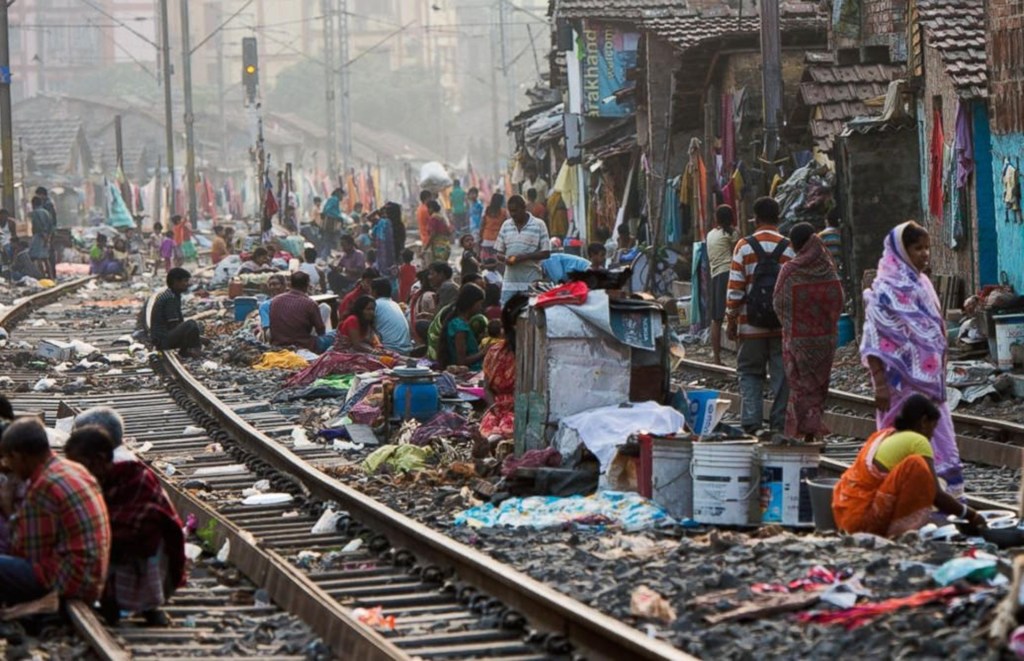
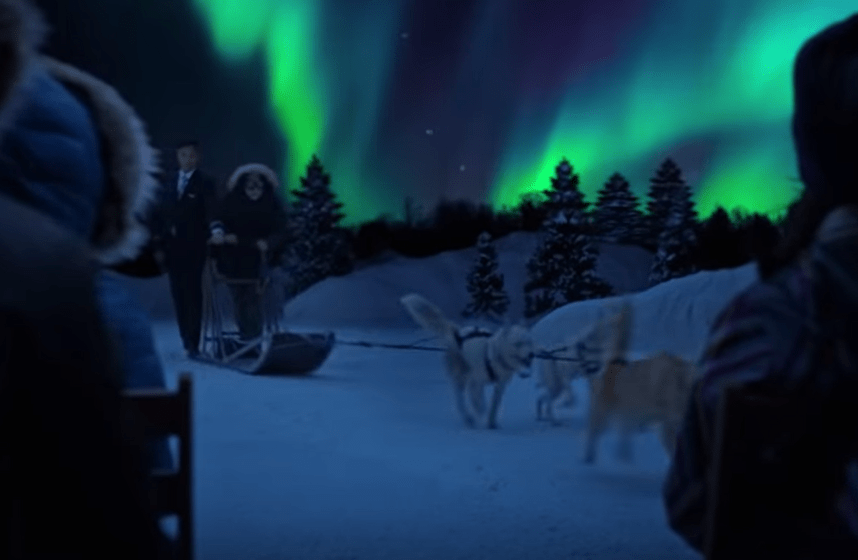
Yes, their family values are intact, but United played into several stereotypes of the locations mentioned. In Alaska, dog sledding is a practice which is rarely used, and only for tourist purposes, yet it is demonstrated in the video as a somewhat common experience. In Germany, lederhosens are hardly worn in everyday life and are primarily for tourists’ appeal. In India, most people are more concerned with where their next meal will come from before participating in a color-throwing party.

One must ask if this use of multimodality is purely because that’s what the public expects/wants to see? Are companies such as United justified in utilizing such narrow-minded views of culture? Ultimately it is up to the traveler to decide what forms of travel they chose to accept, what realities of cultures they want to believe. For the average Joe, United’s safety video is entertaining and informative; but for the experienced traveler, one might need something of greater substance.

My Terministic Screen

Religion. By definition religion is “the belief in and worship of a superhuman controlling power, especially a personal God or gods” or “a particular system of faith and worship” according to Google. To much of society, religion is being apart of an organized group of people. My cousin sees religion as Christianity, for my friend religion is Islam- to me it’s something different. Which is okay.

My terministic screen surrounding the word religion automatically falls to three things which all inherently connect: confusion, my sister Sabrina and India.

I never grew up going to Sunday school. I was a child who believed they were too grown up to listen to the youth leaders, and I demanded to attend the adult services instead. That said, I never knew the basic Bible stories that most Christian children did.

As I got older, we went to church less and less- and for me whenever I went back I never felt like I belonged. I hear the word religion, or attend Christian church and I feel out of place. I had a sense of sadness surrounding religion. I so desperately wanted to belong and feel apart of a group.

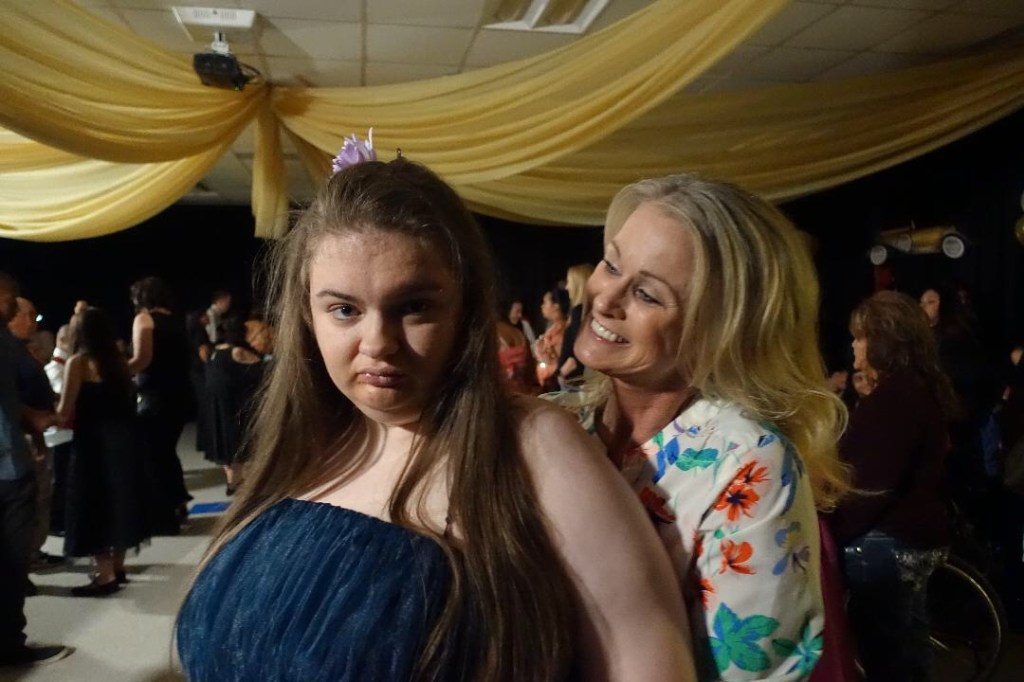
Yet I always belonged with my sister Sabrina- the most beautiful person I’ve ever known. Her special needs makes her so wonderfully pure and naive that she is essentially free of “sin”(whatever you perceive that to mean).

Sabrina and my mother

When I am with Sabrina I feel something bigger. Something pure. I’ve grown up with an angel in my own home, and that’s how I know there is something greater than myself. Although for many people without a special needs child in their life, it’s hard to see the beauty in their existence. My upbringing has made the life of a disabled child the forefront of my moral compass, and that’s why I believe her to be from heaven.

That said, heaven can mean different things to different religious ideologies. Being priviledged enough to see the beliefs of different cultures, it becomes hard for me to pick just one system to devote myself to.

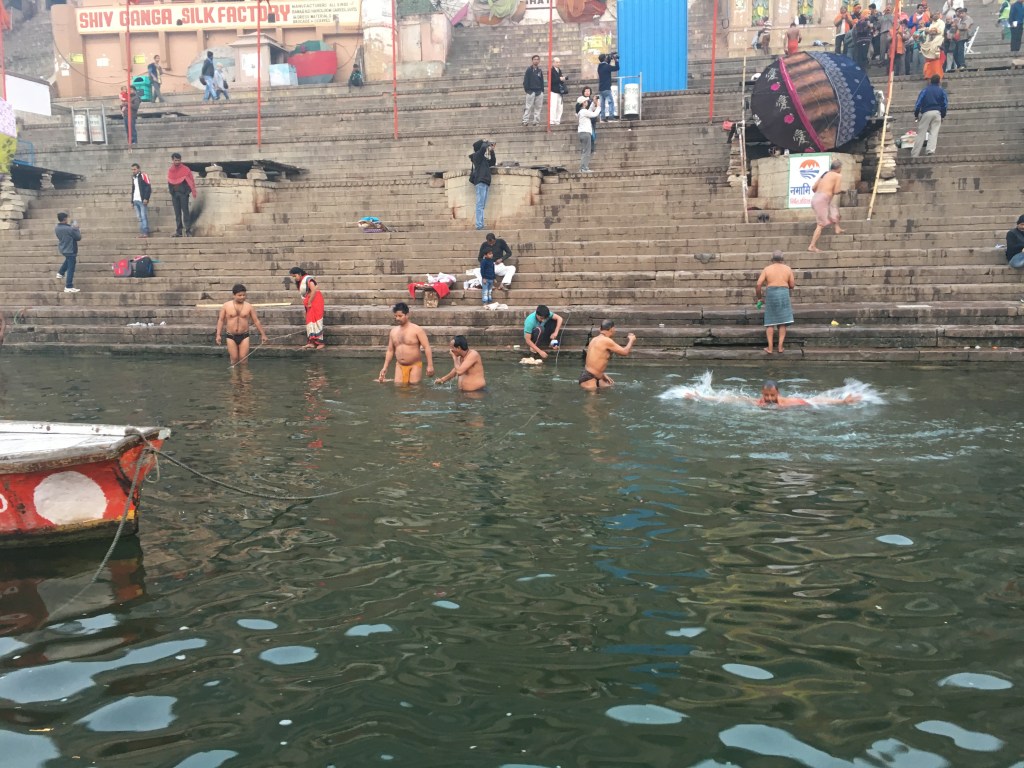
I realized this internal struggle when I went to India. I witnessed the beauty of Hinduism and Islam at the Ganges River in Varanasi. As I sat on the boat I began to cry. I watched these people, who from my perspective have complete faith and devote themselves to their religion. Although that is my perspective, my gaze on a society which I can’t fully understand as I am not in their community. Each person has their own screen towards religion, and for all I know others there might feel the same.

River Ganges, Varanasi

When I got home I began to search for my own spot in Christianity- the religion which was made available to me. But I soon realized that I never felt God when I was in church or with an organized group. I feel a higher power in myself and in others. I had finally accepted that my relationship with God was personal.

Your beliefs don’t make you a better person. Your behavior does.

Unknown

My terministic screen associates religion with confusion, my amazing sister and self-actualization. In many ways I envy the kids who grew up in a certain religion- their lens continually wipped clean to see their faith with clear vision. But that’s not how I grew up. Like many others my screen is blurred and scratched and imperfect- but that’s how I see the world. That’s how I see religion.

Autoethnography

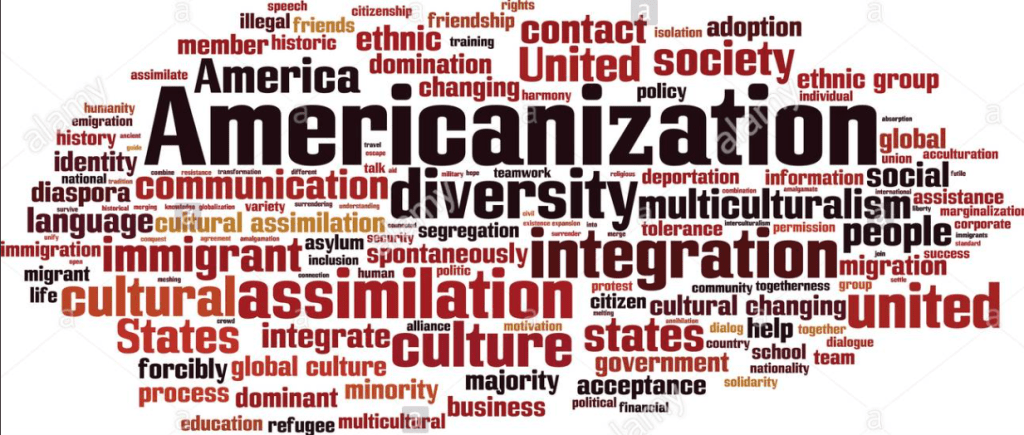
Growing up as a Caucasian woman in America I’ve experienced many cultures, most of which are not my own. I have most of these cultural experiences through the indulgence of food. The beauty of living in a nation with no dominant culture is that these experiences are plentiful. Yet there is a habit in the states of making other cultures our own. Americanization of foods has become inevitable and is just a part of life. There are downsides in altering traditional cuisine to fit the American palate, but there are also hidden beauties to Americanization. The fact that I, a white teenage girl from California, has had the opportunity to taste even a little part of another culture is an incredible gift. The adaptation of language, music and food is what makes up America as a whole. It is important that our society realizes this alteration and acknowledges the good and bad outcomes that accompany it.

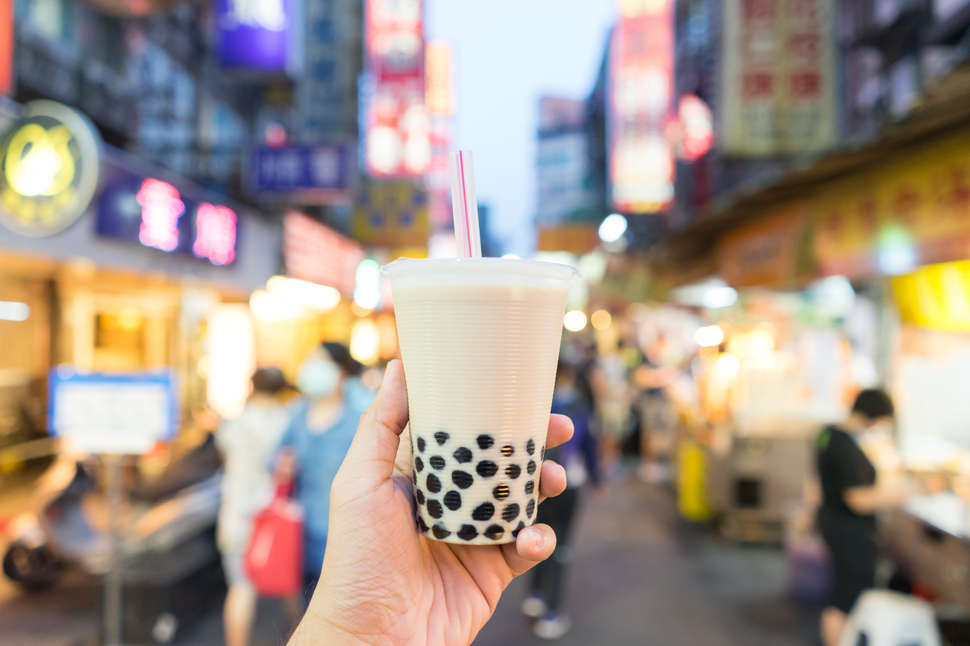
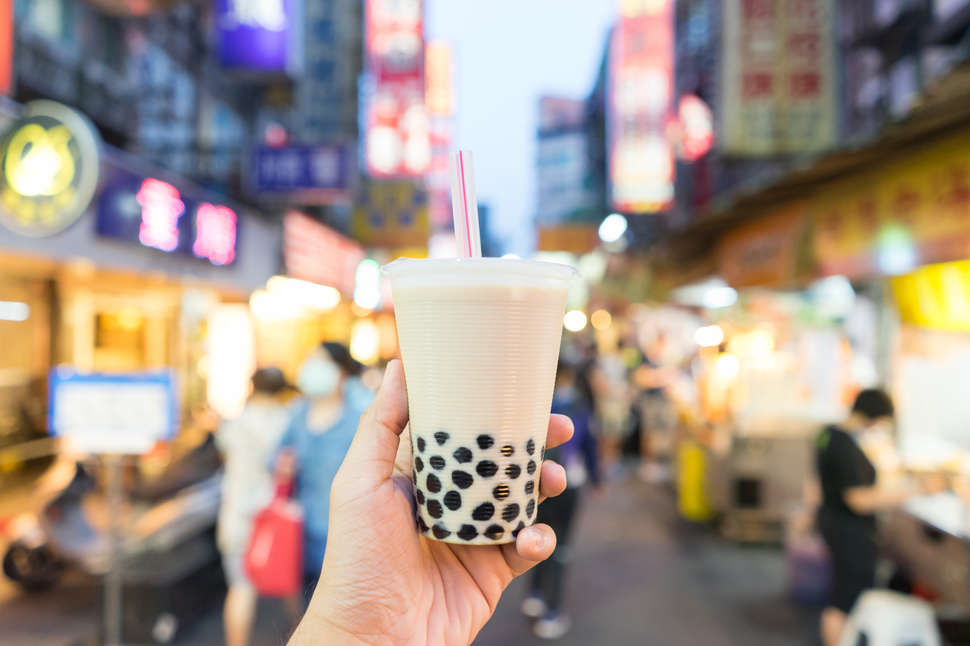
Originating from Taiwan, the drink came to the states in the early ‘90s. According to the online website, Explore Food and Wine, it became a hit largely because of “the growing popularity in café culture due to places like Starbucks”. Once the knowledge of boba grew in the states, then came the inevitable alterations to suit the American palate.

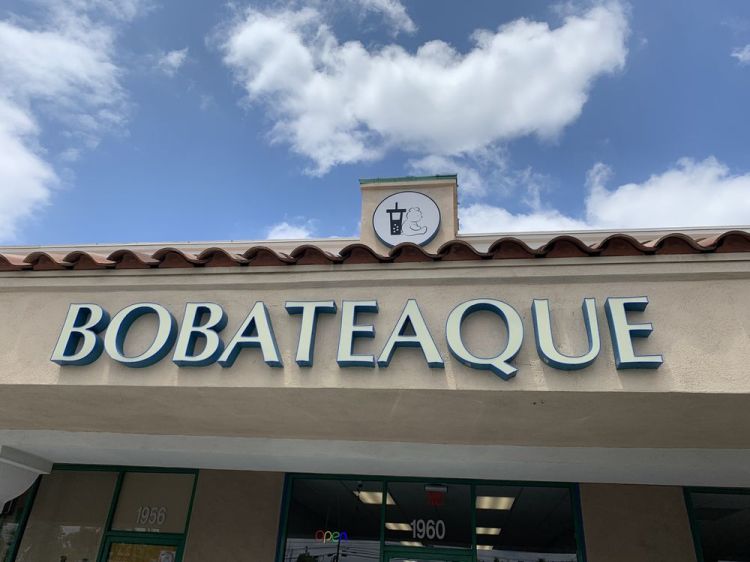
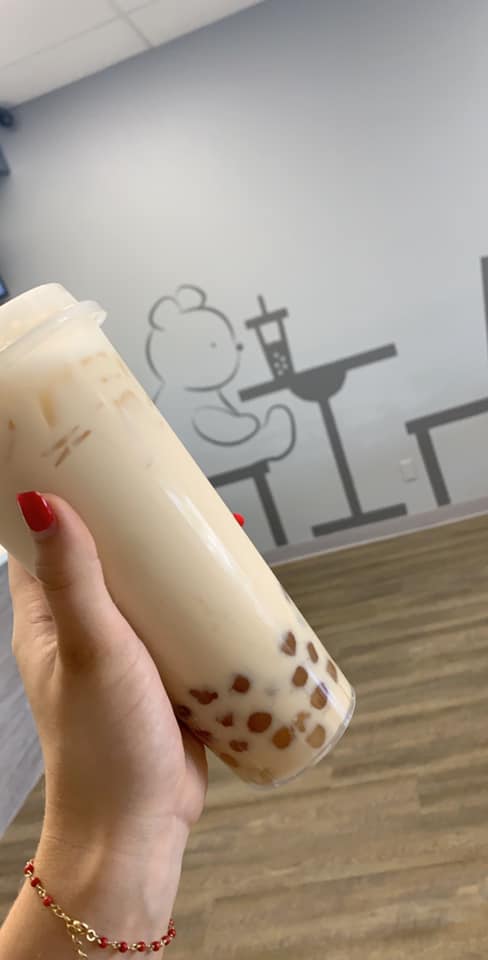
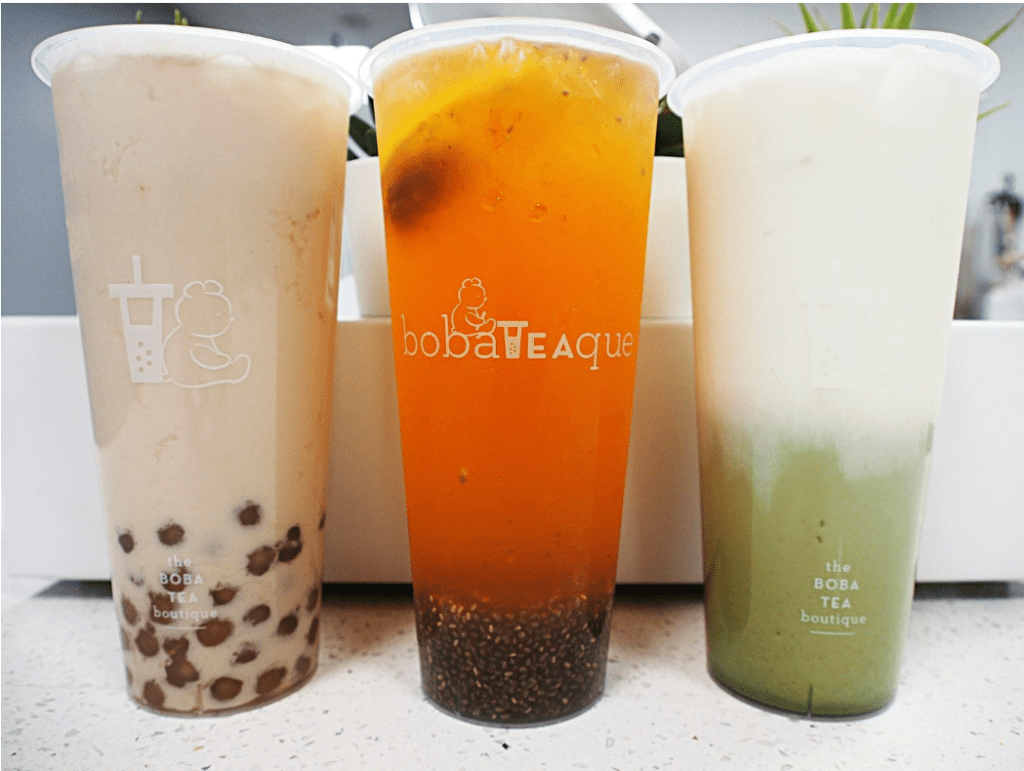
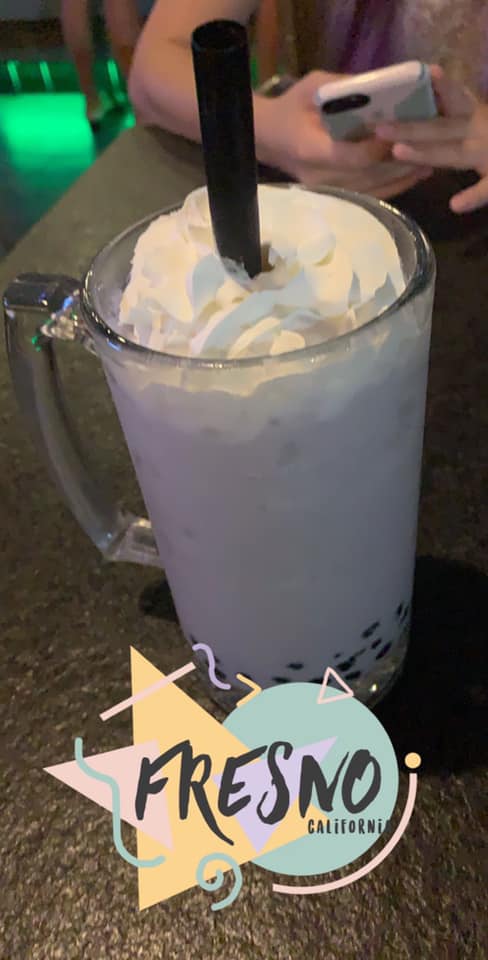
Before moving to Orange I had tried many places that serve boba drinks, I was somewhat of a boba connoisseur according to my friends and family. After my move I was searching for a new place where I could get my boba fix. When I visited BobaTeaque in Orange for the first time I experienced boba once more, but in a different way. I found the menu limited, expecting to see the array of flavors and textures I had become accustomed to. I ordered a jasmine milk tea, medium sweet, with boba. The texture of the tapioca pearls seems strange, but the tea was inarguably smooth. The sweet and cooling drink filled my mouth and seeped into my taste buds. I was in love. Smooth jazz music played in the background, creating a soothing atmosphere to study or chat with friends. I could stay there all day.

Despite the limiting menu and strange boba pearls I came back for another visit, this time with my friend. We were greeted by the same cheery man who stood behind the counter last time, and he recognized me as a returning customer. After some light banter and introductions I came to know this man as Harris, the Taiwanese-American owner of a traditional Taiwanese tea shop. He told me that they pride themselves on staying true to boba’s cultural roots, and that’s why their menu is small and boba tastes different. I came to realize that so many flavors which I see everywhere in the states would never be found in Taiwan. Harris referred to these establishments as Americanized boba shops. When I asked if he considered this alteration a matter of cultural appropriation he said “Not at all”. He sees no problem in building off of a traditional meal or beverage to create something new, the problem stems from false claims of being traditional.

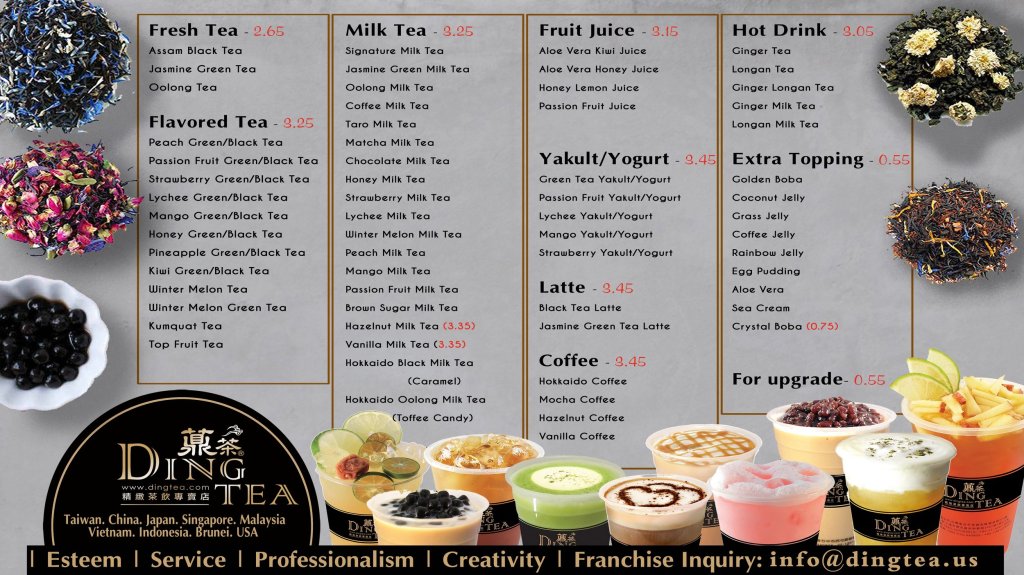
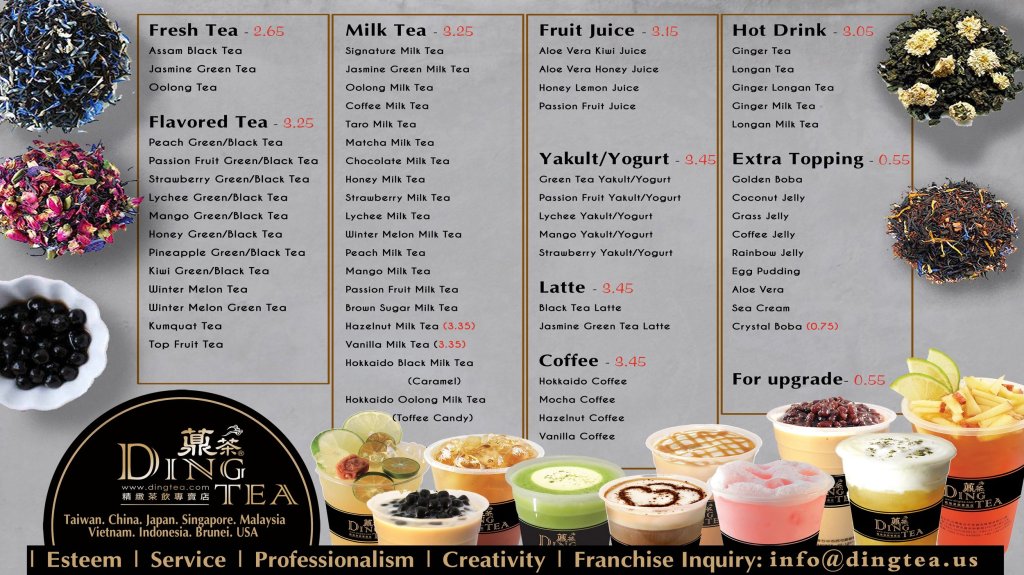
Harris mentioned an establishment called Ding Tea, which I had visited only days beforehand. He says that businesses like that, which claim to be traditional yet their menu says otherwise, gives people a skewed understanding of the original drink actually is.

Ding Tea isn’t a traditional Taiwanese tea shop, and therefore their false advertisement is a form of cultural appropriation. Americanization is inevitable, false advertisement shouldn’t be.

True traditional teamakers like Harris would expect a fellow boba maker to be honest about their products. A popular chain called Boba Guys pride themselves as being a hybrid of cultures- never claiming to be traditional. On their company’s website they stated, ” For the record, we never claimed to be traditional milk tea. Plenty of people do it extremely well. However, we are authentic. We are true to ourselves as Asians and Americans. We try to bridge cultures by making boba and tea more accessible.” This is the beauty of Americanization, creating more opportunities for cultural experiences.

Americanization is apart of life in the states, it is what created our nation. The alteration of food, dancing, language, music and people is what turned the U.S. into what it is. It is important to recognize this trend, and to understand the differences in what America perceives as normal compared to the culture we’re experiencing. Businesses must play their part in maintaining an honest depiction of their products to avoid cultural appropriation. Yet we must also appreciate the wonderful fact that me, a teenage American girl, is able to experience and enjoy another culture.

Original Autoethnography

1920s Tea Club was the spot- the spot for hanging out with friends, late night study sessions, a relaxed first date or brainstorming the next bestselling YA novel. Their special? Boba. You see, the squishy tapioca pearls were never just about taste for me- it was about the people I drank it with. Boba was always something that brought the whole crew together in a way that ice cream or coffee never could. Upon my discovery of boba in middle school, it became a significant part in my coming-of-age story. It was where all the juicy gossip was exchanged and where all the rants were laid out. It was an experience. For many Americans, boba has become somewhat of a similar experience. The boba industry has been ever growing among the American youth for its unique aesthetic and trendy shops which attract teens like myself- and that is apart of Americanization.

Upon meeting a man named Harris, who is the owner of BobaTeaque in Orange County, my interests peaked on what the original culture of boba was all about. Originating from Taiwan, boba came to the U.S. in the early ‘90s, becoming a hit largely because of “the growing popularity in café culture due to places like Starbucks”. Asian-Americans like Harris grew up drinking boba, and now he prides himself on owning a traditional Taiwanese boba shop- one which has become my new spot upon moving away for college. Harris embraces the idea of socializing being apart of boba culture- which he says was a big part of his upbringing as well. He looks at young people such as myself with fond memories of his youth.

The social atmosphere of the boba world is quite important- especially to me. This type of atmosphere has given me the possibility to experience something from another culture.

Although the boba and milk tea Harris described in Asia sounds quite different from the one I’ve grown up drinking- which he calls Americanized boba. “Boba in the United States is just different from Taiwan”, Harris describes. With additional sweetness, nontraditional flavors and artificial dyes- the boba world in America has changed into a whole different industry. The flavors I’ve known and loved, aren’t seen on the menu in Taiwan.

While Americanization isn’t necessarily a bad thing, it is important to recognize and be aware of. Harris says that he think it’s just apart of the world. “Boba is the new pizza” he claimed, a traditional food or dish which Americans have made their own. This hybridity of cultures into American living is what was able to attract young kids like myself into a different culture which is amazing, yet I had no idea the differences between what makes boba traditional or not. And that’s where the problem stems from.

Harris prides himself on owning a traditional Taiwanese tea shop, but many other places falsely claim that same identity. Ding Tea is a chain which markets as being “traditional”, yet their flavors and dyes would say otherwise.

While these new flavors aren’t a bad thing- the false advertisement is a form of cultural appropriation.

The Americanization of food is to be expected, but it must be acknowledged. True traditional teamakers like Harris would expect a fellow boba maker to be honest about their products. A popular chain called Boba Guys pride themselves as being a hybrid of cultures- never claiming to be traditional. On their company’s website they stated, ” For the record, we never claimed to be traditional milk tea. Plenty of people do it extremely well. However, we are authentic. We are true to ourselves as Asians and Americans. We try to bridge cultures by making boba and tea more accessible.” For the record, we never claimed to be traditional milk tea. Plenty of people do it extremely well. However, we are authentic. We are true to ourselves as Asians and Americans. We try to bridge cultures by making boba and tea more accessible” which I think is so valuable today.

It is so important to stay true to what a company is truly representing. The Boba Guys embrace the hybridity of American and Asian culture, while places like BobaTeaque embrace the values of traditional Taiwanese tea. The true value is in the correct identification- because both types of places have value.

Me, a white American born girl, was able to experience another culture in a unique way because of places like these. Boba has given be a lot in life- a place to spend time with the people I love, a drink to fix my sour moods and an industry I believe in. Americanization is inevitable and when done correctly, and bring a lot of positivity.

Original My Terministic Screen

Religion. By definition religion is “the belief in and worship of a superhuman controlling power, especially a personal God or gods” or “a particular system of faith and worship” according to Google. To much of society, religion is being apart of an organized group of people. My cousin sees religion as Christianity, for my friend religion is Islam- to me it’s something different. Which is okay.

My terministic screen surrounding the word religion automatically falls to three things which all inherently connect: confusion, my sister Sabrina and India.

I never grew up going to Sunday school. I was a child who believed they were too grown up to listen to the youth leaders, and I demanded to attend the adult services instead. That said, I never knew the basic Bible stories that most Christian children did.

As I got older, we went to church less and less- and for me whenever I went back I never felt like I belonged. I hear the word religion, or attend Christian church and I feel out of place. My screen surrounding religion steams from a place of sadness. I always wanted to belong but I never felt like I did.

Yet I always belonged with my sister Sabrina- the most beautiful person I’ve ever known. Her special needs makes her so wonderfully pure and naive that she is essentially free of “sin”(whatever you perceive that to mean).

When I am with Sabrina I feel something bigger. Something pure. I’ve grown up with an angel in my own home, and that’s how I know there is something greater than myself. My religious screen sees Sabrina.

Without a special needs child in a person’s life, it’s hard to see the beauty in their existence. My upbringing has made the life of a disabled child the forefront of my moral compass, and that’s why I believe her to be from heaven.

That said, heaven can mean different things to different religious ideologies. Being priviledged enough to see the beliefs of different cultures, it becomes hard for me to pick just one system to devote myself to.

I realized this internal struggle when I went to India. I witnessed the beauty of Hinduism and Islam at the Ganges River in Varanasi. As I sat on the boat watching Indians from all over the country cleansing themselves in the river I began to weep. I longed to believe in something as much as they do.

River Ganges, Varanasi

When I got home I began to search for my own spot in Christianity- the religion which was made available to me. But I soon realized that I never felt God when I was in church. I feel Him in Sabrina, in India and in myself.

Your beliefs don’t make you a better person. Your behavior does.

Unknown

My terministic screen associates religion with confusion, my amazing sister and self-actualization. In many ways I envy the kids who grew up in a certain religion- their lens continually wipped clean to see their faith with clear vision. But that’s not how I grew up.

My screen is blurred and scratched and imperfect- but that’s how I see the world. That’s how I see religion.

Original Multimodality

Coming from an experienced traveler, I would hope my airline had flown to various destinations, over the years acquiring vast experiences with all walks of life. In United’s safety video, they jump from scene to scene for 4 minutes and 15 seconds, in the attempts of expressing these very values. Although are their efforts misplaced? Their stereotypical views of culture doesn’t leave a good impression on an experienced and knowledgeable individual.

Through the use of multimodality, “images, sounds, document design, and graphics”, United is able to present travel as being enjoyable and fast-paced.

Making note of their visual achievements- such as the vibrant color palette expressed during the Indian powder party, as well as the Northern Lights in Alaska- creates a screen worth watching. The inclusion of a moving 2D model plane showing the emergency exits provided an entertaining and pleasing visual aid, rather than merely explaining their locations.

The audio inclusion of multi-cultural music provides a change in pace with every destination, therefore keeping the audience alert and entertained with new noise, versus a constant song playing subtly in the background.

It becomes apparent that United intends to present their company as multi-cultural, which is shown through their multiple speakers throughout the video.

From Caucasion, to African, to Asian- United has a diverse team. The video targets the attention of Spanish speakers by highlighting their multi-linguistic employees when a co-worker replies “De nada” in response to “thank you”. This inclusion aims to ease non-English speaking travelers that they are in good hands.

There are illusions to family travel demonstrated during the NYC location- with the baby in the stroller. This was intentional, to provide the audience with the idea that United is family friendly, which the video strengthens at the end.

The final scene shows all sectors of the United company letting go of their lanterns together. This segment was touching because it showed the manual laborers of the airline united with the pilots and flight attendants.

An extra touch of personality also stems from a YouTube audience member mentioning the CEO of United is featured in the video.

This provides United travelers an “all hands are on deck” feeling as they are preparing for take-off.

In attempts to reach all walks of life and all ages- United presents their travels as fun and energetic. This party-centered travel is demonstrated through the live music, dancing and smiles portrayed in the opening scene. This high energy is matched through the rapid change in scenery, destination and speakers throughout the video.

United played heavily into the stereotypical tourist activities of the locations mentioned. Travel was represented as all play. No business people were demonstrated on a single plane shown, and no professional use of travel was displayed. This use of multimodality relied on stereotypes since many travelers imagine those destinations in the tourist way.

In Alaska, dog sledding is a practice which is rarely used, and only for tourist purposes.

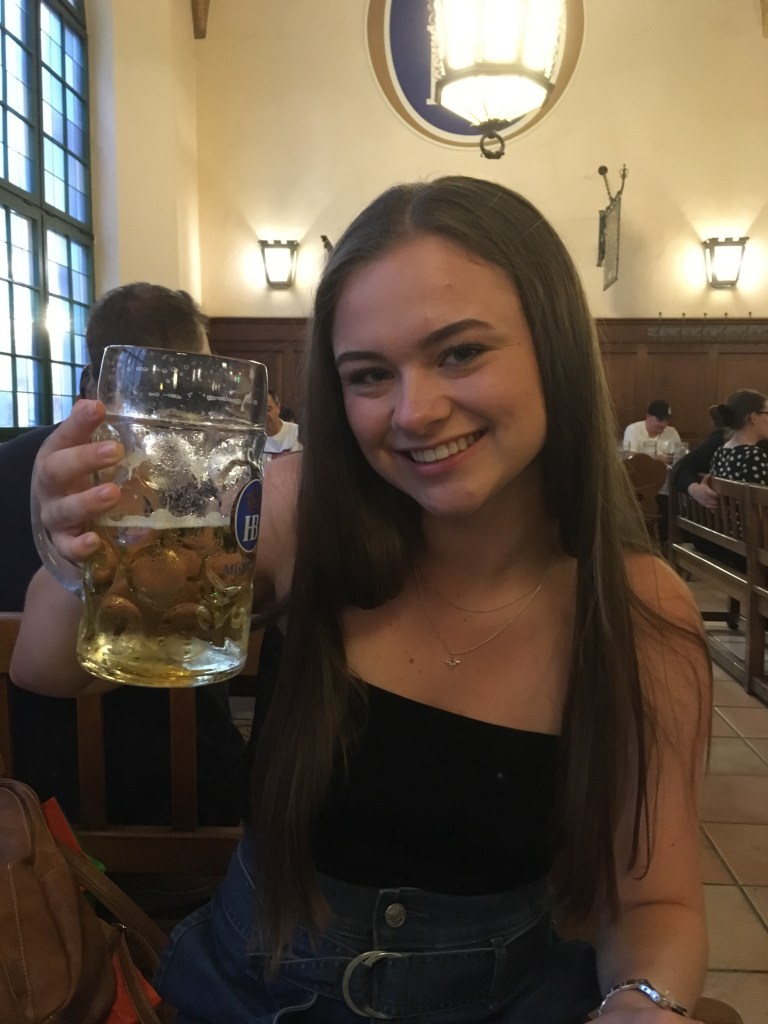
In Germany, lederhosens are hardly worn in everyday life and are primarily for tourist appeal- which I witnessed while drinking a pint in the famous Hofbrauhaus (yes, I finished it).

In India, most people are more concerned with where their next meal will come from before participating in a color-throwing party.

In Asia, not everyone is obsessed with pandas- especially not enough to travel with a stuffed animal.

One must ask if this use of multimodality is purely because that’s what the public expects/wants to see? Are companies such as United justified in utilizing such narrow-minded views of culture? Ultimately it is up to the traveler to decide what forms of travel they chose to accept, what realities of cultures they want to believe. For the average Joe, United’s safety video is entertaining and informative; but for the experienced traveler, one might need something of greater substance.

Design a site like this with WordPress.com
Get started