
Coming from an experienced traveler, I would hope my airline had flown to various destinations, over the years acquiring vast experiences with all walks of life. In United’s safety video, they jump from scene to scene for 4 minutes and 15 seconds, in the attempts of expressing these very values. Although are their efforts misplaced? Their stereotypical views of culture doesn’t leave a good impression on an experienced and knowledgeable individual.
Through the use of multimodality, “images, sounds, document design, and graphics”, United is able to present travel as being enjoyable and fast-paced.
Making note of their visual achievements- such as the vibrant color palette expressed during the Indian powder party, as well as the Northern Lights in Alaska- creates a screen worth watching. The inclusion of a moving 2D model plane showing the emergency exits provided an entertaining and pleasing visual aid, rather than merely explaining their locations.
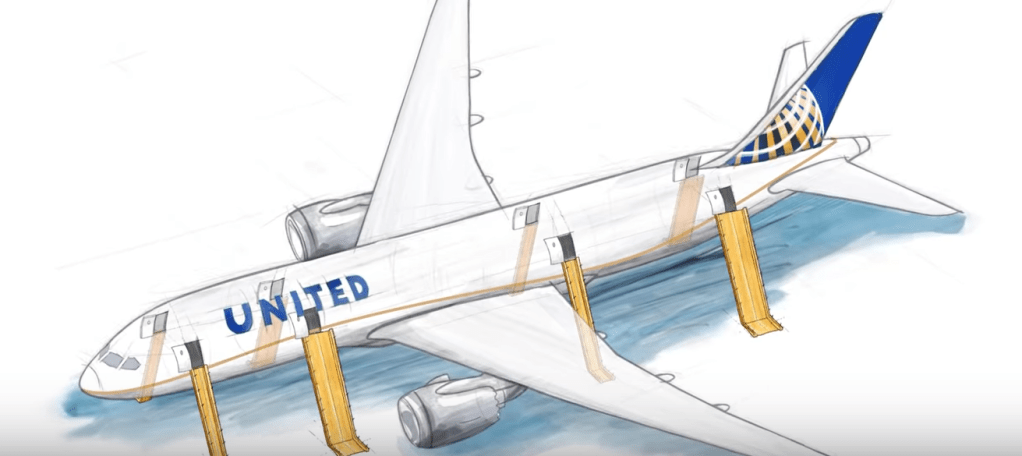
The audio inclusion of multi-cultural music provides a change in pace with every destination, therefore keeping the audience alert and entertained with new noise, versus a constant song playing subtly in the background.
It becomes apparent that United intends to present their company as multi-cultural, which is shown through their multiple speakers throughout the video.
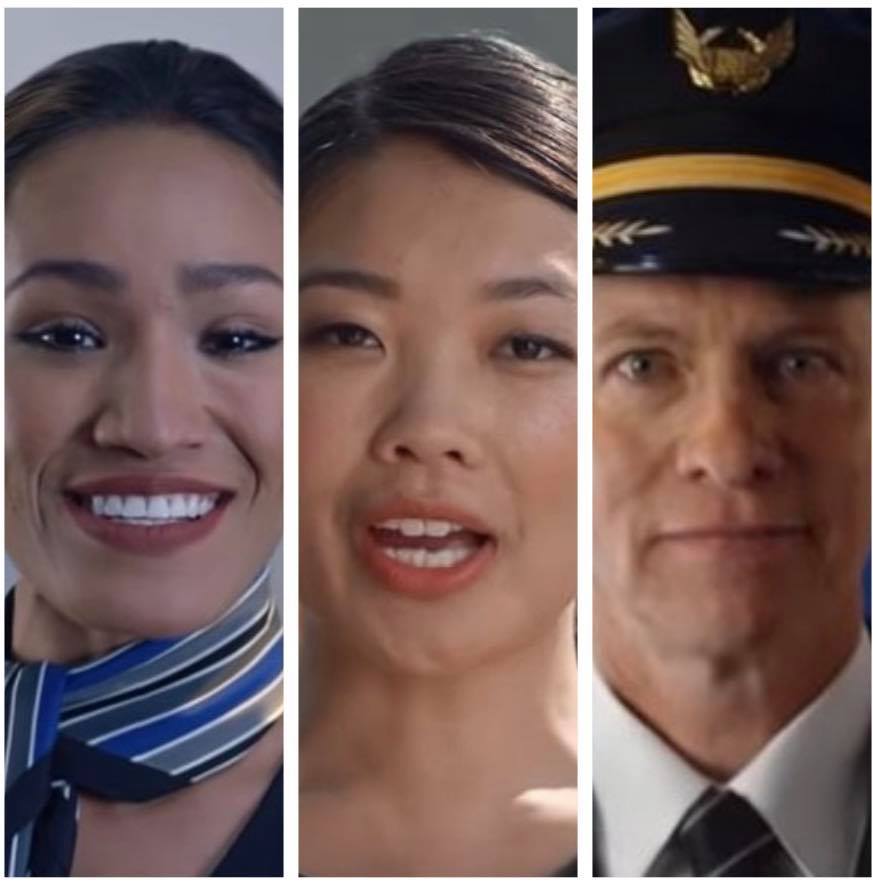
From Caucasion, to African, to Asian- United has a diverse team. The video targets the attention of Spanish speakers by highlighting their multi-linguistic employees when a co-worker replies “De nada” in response to “thank you”. This inclusion aims to ease non-English speaking travelers that they are in good hands.
There are illusions to family travel demonstrated during the NYC location- with the baby in the stroller. This was intentional, to provide the audience with the idea that United is family friendly, which the video strengthens at the end.
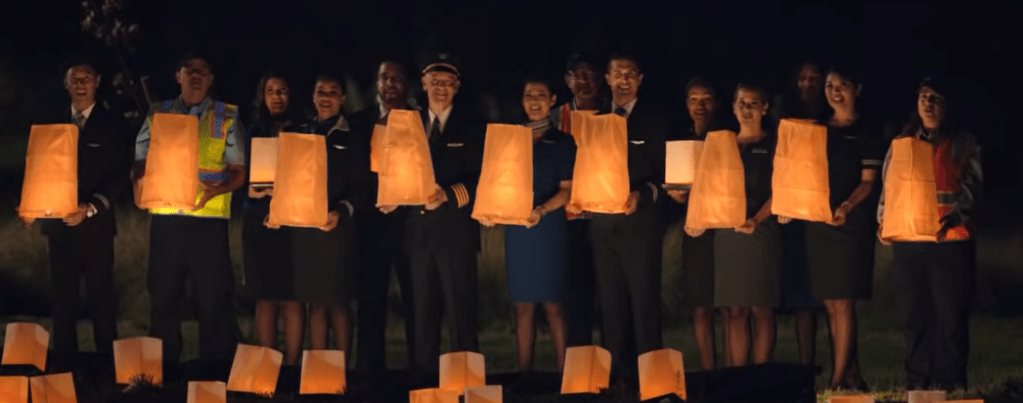
The final scene shows all sectors of the United company letting go of their lanterns together. This segment was touching because it showed the manual laborers of the airline united with the pilots and flight attendants.
An extra touch of personality also stems from a YouTube audience member mentioning the CEO of United is featured in the video.

This provides United travelers an “all hands are on deck” feeling as they are preparing for take-off.
In attempts to reach all walks of life and all ages- United presents their travels as fun and energetic. This party-centered travel is demonstrated through the live music, dancing and smiles portrayed in the opening scene. This high energy is matched through the rapid change in scenery, destination and speakers throughout the video.
United played heavily into the stereotypical tourist activities of the locations mentioned. Travel was represented as all play. No business people were demonstrated on a single plane shown, and no professional use of travel was displayed. This use of multimodality relied on stereotypes since many travelers imagine those destinations in the tourist way.
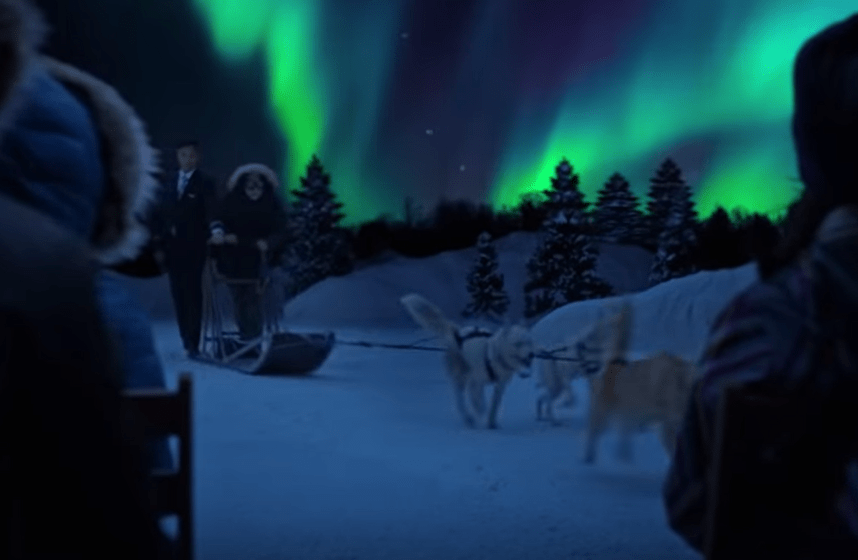
In Alaska, dog sledding is a practice which is rarely used, and only for tourist purposes.
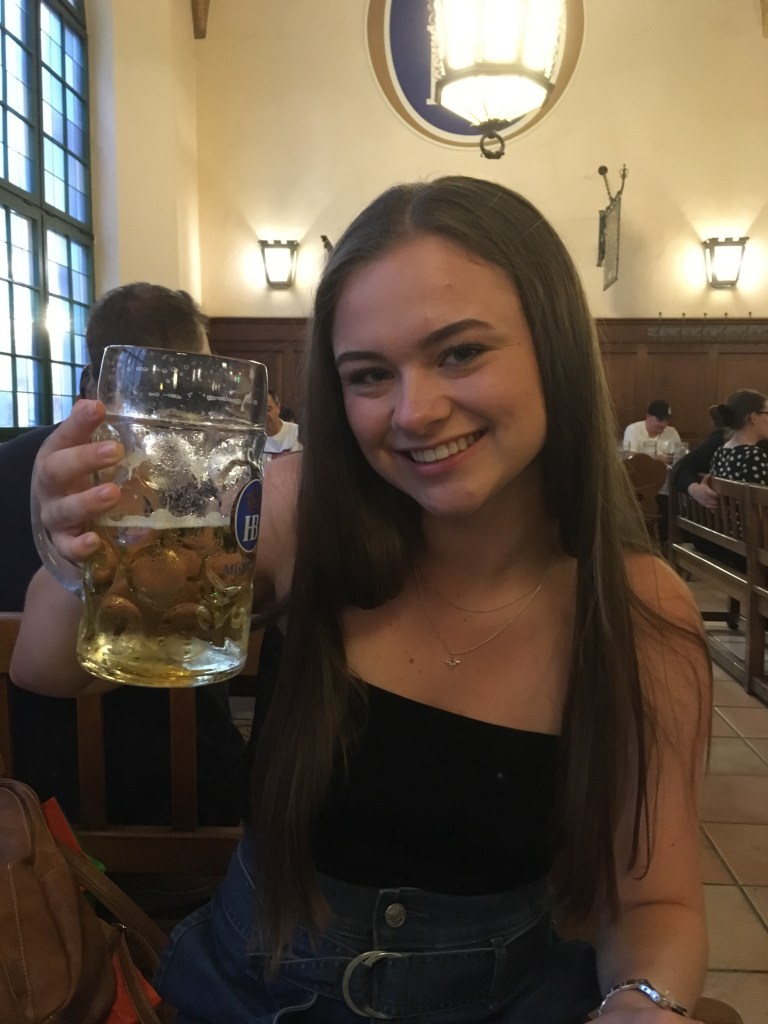
In Germany, lederhosens are hardly worn in everyday life and are primarily for tourist appeal- which I witnessed while drinking a pint in the famous Hofbrauhaus (yes, I finished it).
In India, most people are more concerned with where their next meal will come from before participating in a color-throwing party.
In Asia, not everyone is obsessed with pandas- especially not enough to travel with a stuffed animal.
One must ask if this use of multimodality is purely because that’s what the public expects/wants to see? Are companies such as United justified in utilizing such narrow-minded views of culture? Ultimately it is up to the traveler to decide what forms of travel they chose to accept, what realities of cultures they want to believe. For the average Joe, United’s safety video is entertaining and informative; but for the experienced traveler, one might need something of greater substance.
 emilypalmstays.travel.blog