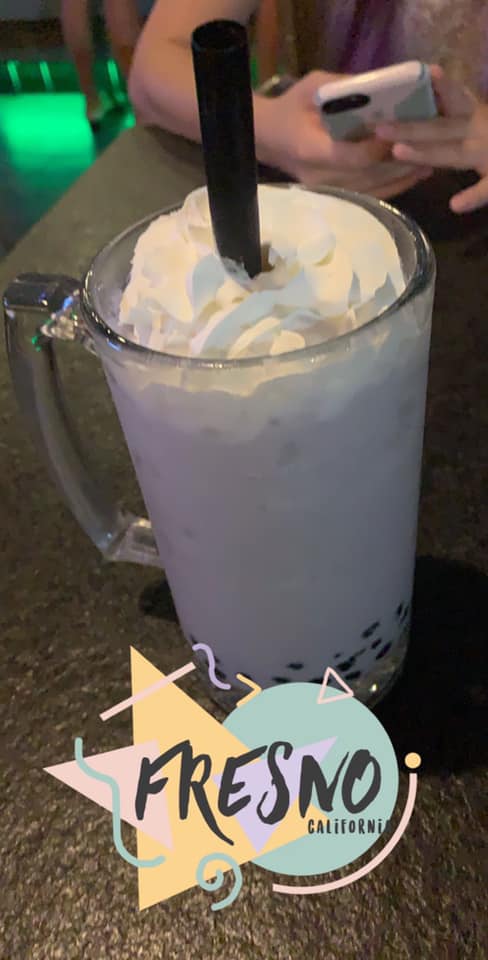
1920s Tea Club was the spot- the spot for hanging out with friends, late night study sessions, a relaxed first date or brainstorming the next bestselling YA novel. Their special? Boba. You see, the squishy tapioca pearls were never just about taste for me- it was about the people I drank it with. Boba was always something that brought the whole crew together in a way that ice cream or coffee never could. Upon my discovery of boba in middle school, it became a significant part in my coming-of-age story. It was where all the juicy gossip was exchanged and where all the rants were laid out. It was an experience. For many Americans, boba has become somewhat of a similar experience. The boba industry has been ever growing among the American youth for its unique aesthetic and trendy shops which attract teens like myself- and that is apart of Americanization.
Upon meeting a man named Harris, who is the owner of BobaTeaque in Orange County, my interests peaked on what the original culture of boba was all about. Originating from Taiwan, boba came to the U.S. in the early ‘90s, becoming a hit largely because of “the growing popularity in café culture due to places like Starbucks”. Asian-Americans like Harris grew up drinking boba, and now he prides himself on owning a traditional Taiwanese boba shop- one which has become my new spot upon moving away for college. Harris embraces the idea of socializing being apart of boba culture- which he says was a big part of his upbringing as well. He looks at young people such as myself with fond memories of his youth.
The social atmosphere of the boba world is quite important- especially to me. This type of atmosphere has given me the possibility to experience something from another culture.
Although the boba and milk tea Harris described in Asia sounds quite different from the one I’ve grown up drinking- which he calls Americanized boba. “Boba in the United States is just different from Taiwan”, Harris describes. With additional sweetness, nontraditional flavors and artificial dyes- the boba world in America has changed into a whole different industry. The flavors I’ve known and loved, aren’t seen on the menu in Taiwan.
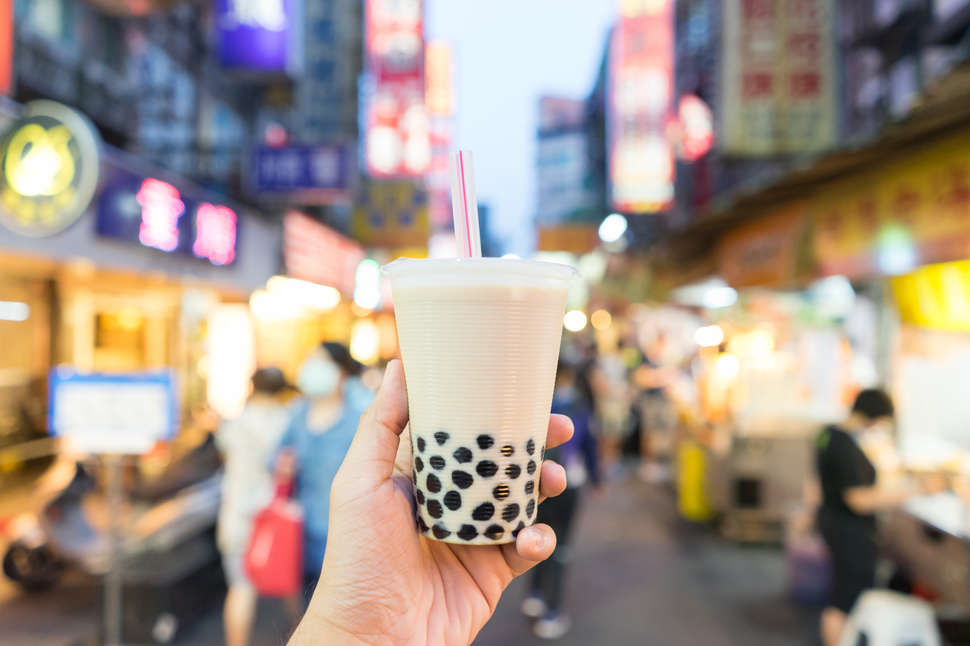
While Americanization isn’t necessarily a bad thing, it is important to recognize and be aware of. Harris says that he think it’s just apart of the world. “Boba is the new pizza” he claimed, a traditional food or dish which Americans have made their own. This hybridity of cultures into American living is what was able to attract young kids like myself into a different culture which is amazing, yet I had no idea the differences between what makes boba traditional or not. And that’s where the problem stems from.
Harris prides himself on owning a traditional Taiwanese tea shop, but many other places falsely claim that same identity. Ding Tea is a chain which markets as being “traditional”, yet their flavors and dyes would say otherwise.
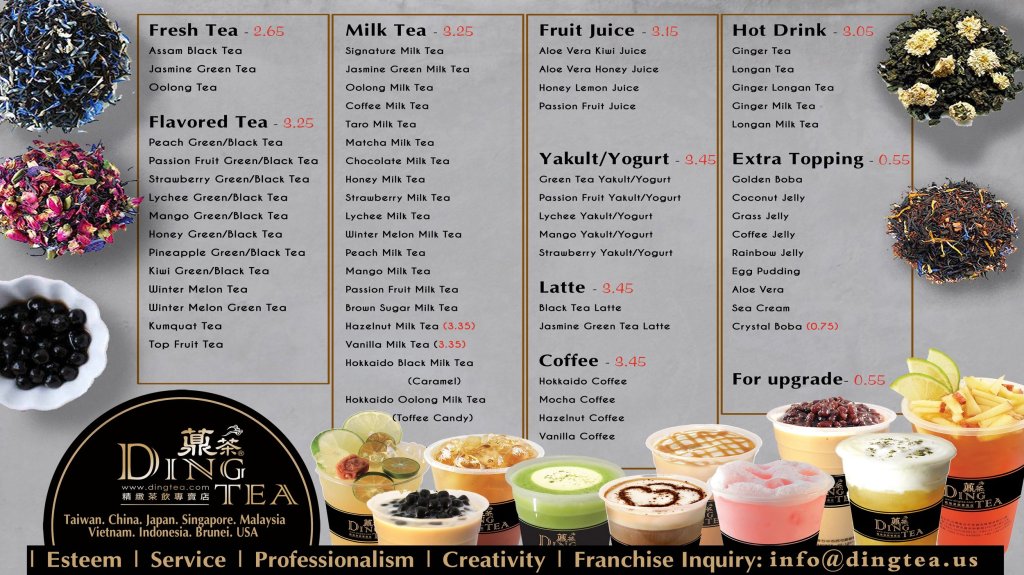
While these new flavors aren’t a bad thing- the false advertisement is a form of cultural appropriation.
The Americanization of food is to be expected, but it must be acknowledged. True traditional teamakers like Harris would expect a fellow boba maker to be honest about their products. A popular chain called Boba Guys pride themselves as being a hybrid of cultures- never claiming to be traditional. On their company’s website they stated, ” For the record, we never claimed to be traditional milk tea. Plenty of people do it extremely well. However, we are authentic. We are true to ourselves as Asians and Americans. We try to bridge cultures by making boba and tea more accessible.” For the record, we never claimed to be traditional milk tea. Plenty of people do it extremely well. However, we are authentic. We are true to ourselves as Asians and Americans. We try to bridge cultures by making boba and tea more accessible” which I think is so valuable today.
It is so important to stay true to what a company is truly representing. The Boba Guys embrace the hybridity of American and Asian culture, while places like BobaTeaque embrace the values of traditional Taiwanese tea. The true value is in the correct identification- because both types of places have value.
Me, a white American born girl, was able to experience another culture in a unique way because of places like these. Boba has given be a lot in life- a place to spend time with the people I love, a drink to fix my sour moods and an industry I believe in. Americanization is inevitable and when done correctly, and bring a lot of positivity.
 emilypalmstays.travel.blog